
 EN
Developing Custom Blue Light Glasses for Different Brand Positioning
How brand positioning dictates frame materials, lenses, packaging & specs for blue light glasses. Align your brief with market tier—get it right from day one.
How Positioning Shapes the Blue Light Glasses Brief
Two brands can order blue light glasses from the same factory and end up with products that feel completely different, because positioning shapes every specification. A value line competes on price and volume, a mid-market line competes on perceived quality and comfort, and a premium line competes on design, materials and the story the product tells.
The practical consequence is that positioning is not a marketing idea added after development. In blue light glasses it decides the frame material, the design direction, the lens options, the colour and finish, the logo treatment and the packaging. When those choices align with the brand's place in the market, the product feels intentional rather than assembled.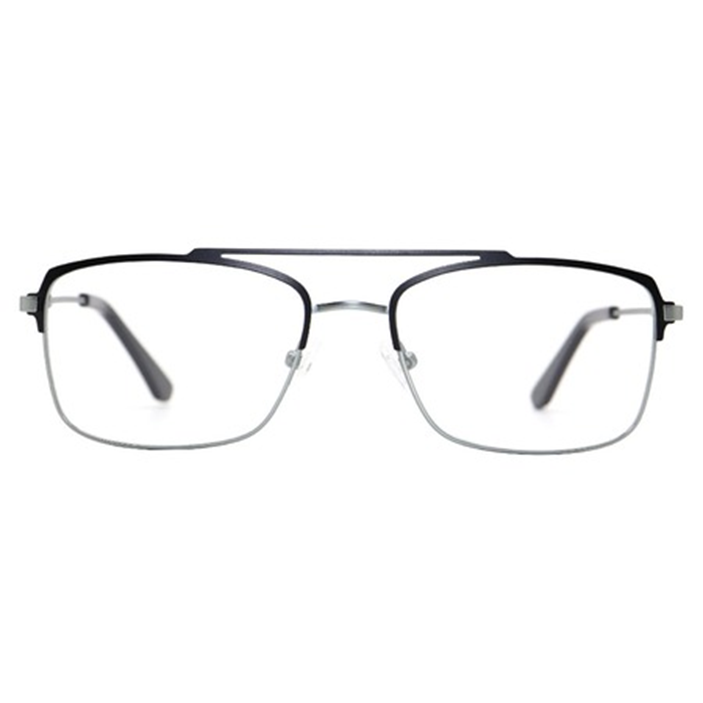
Setting Positioning Before Specifying
Positioning has to be decided early, because it constrains every later choice and prevents both over-specification and underspecification.
Entry-Level Expectations
At the entry level, a programme competes on accessibility and volume. The brief usually favours efficient constructions, restrained design and a tight colour range so the product can be produced at scale and sold at an attractive price. The goal is a clean, trustworthy everyday frame rather than a showcase piece.
Value positioning still depends on quality. A cheap-looking hinge or an uneven finish undermines the whole proposition, because tolerance for defects does not fall just because the price is low. The right approach is to spend the budget where the customer notices it and simplify where they do not.
Mid-Market Perceived Quality
In the mid-market, a programme lives or dies on perceived quality, because the customer is comparing against both cheaper and more expensive options. The frame has to feel better in the hand, the finish has to be clean, and the fit has to justify stepping up from entry level.
This is where material choice starts to carry weight. Acetate and mixed constructions bring a more substantial feel and a wider colour range, and metal accents can lift the design without the cost of a fully premium build. The brief should specify the felt qualities the product must deliver, not only its appearance.
Premium Differentiation
At the premium level, a programme competes on design, materials and craft, so the brief starts from differentiation rather than efficiency. Distinctive acetate patterns, metal and titanium detailing, refined hinges and high-quality finishing all contribute to a product that feels considered.
For this position the technical requirements are often set by design intent. A particular silhouette may demand a specific material and hinge system, and the factory has to engineer that intent without compromising quality. Consistency matters more here as well, because a reorder with a slightly different colour breaks the promise.
Frame Materials and Design Direction
Material and design are where positioning becomes visible, because the same silhouette in blue light glasses reads differently depending on what it is made from.
Acetate, Metal and Mixed Frames for Blue Light Glasses
Acetate remains a strong choice for brands wanting depth of colour and a warm, solid feel. It suits fashion-led frames and allows a wide range of patterns, which makes it useful for premium and mid-market lines that need visual character across a collection, though it requires attention to dimensional stability.
Metal and titanium suit finer profiles and lighter frames, and they bring a precise, technical look. Mixed constructions pair an acetate front with metal temples or detailing, which is a common way to lift perceived quality without moving to a fully premium build. The test is whether the material matches the position.
TR90 and Injection Frames
TR90, PC and moulded constructions suit brands prioritising low weight, durability and efficient production. They are comfortable for long wear, resist the flexibility problems heavier frames face and can be produced consistently at scale, which makes them a natural fit for value and volume lines.
That does not make them a compromise for every brand. Some lifestyle lines choose moulded frames deliberately because the customer values lightweight comfort over a solid feel and because the construction supports a broad colour range. The key is honesty in the brief rather than choosing a route simply because it is cheapest.
Matching Design to the Customer
Design direction should follow the customer rather than the designer's preference. A younger, fashion-oriented audience often responds to bold shapes and colours, while a work-focused audience tends to prefer restrained frames that suit the environment where they are worn.
Shape, thickness, colour and detail all carry meaning. A slim metal front signals something different from a chunky acetate frame, and the brief should state which signal the brand wants. When design and customer align, the product sells on fit rather than on discount, which is what turns a generic frame into a branded one.
Lens Options, Colour and Claims
Lenses and colour carry much of the story of blue light glasses, and they are also where a brand must be careful about what it says.
Describing Lens Options Honestly
Lens selection should be driven by what the product is meant to do and what the factory can actually supply. The brief should state lens features clearly, and the description should stay within what those features support, without medical or eye-health claims and without unverified protection percentages or blocked-wavelength figures.
That restraint is protection rather than limitation. A description that overstates what a lens does creates risk and is difficult to defend if a customer complains, while plain, accurate wording tends to build more durable trust. Agreeing the wording with the factory keeps the language and the delivered product in step.
Colour and Finish Across a Collection
Colour and finish turn a set of frames into a range. A deliberate palette with consistent finishes gives the brand a recognisable look and makes products feel like they belong together on a shelf or in an online grid, which is where most purchase decisions now happen.
Finish quality matters as much as colour choice, because a clean, even surface reads as quality while a patchy one reads as cheap. Appearance is compared under standard lighting against an approved reference, and that discipline is what keeps a palette consistent across an order and across replenishment.
Packaging and Documentation
The customer's experience does not end with the frame, because packaging and paperwork complete the product.
Retail-Ready Packaging for Blue Light Glasses
Retail-ready packaging turns eyewear into a product a customer can buy with confidence. A case, a well-designed box and clear presentation all contribute to perceived value, and they should match the positioning of the frame rather than defaulting to a generic format.
For a value line, packaging is about protection and clarity. For a premium line it is part of the experience. Either way it is a positioning decision made during development, not a shipping detail added at the end, and consistency across the range reinforces the same brand signals as the frames.
Documents to Keep on File
Any brand making product claims should keep supporting documents on file: material and component specifications, agreed sample standards and whatever verification the factory can actually provide for the features described. Keeping them organised is part of running a responsible line.
The point is traceability. If a customer or retail partner asks about a feature, the brand should be able to point to the documents behind it rather than reconstructing evidence after the question. Documented specifications also support reorders, because each delivery can be checked against a fixed standard.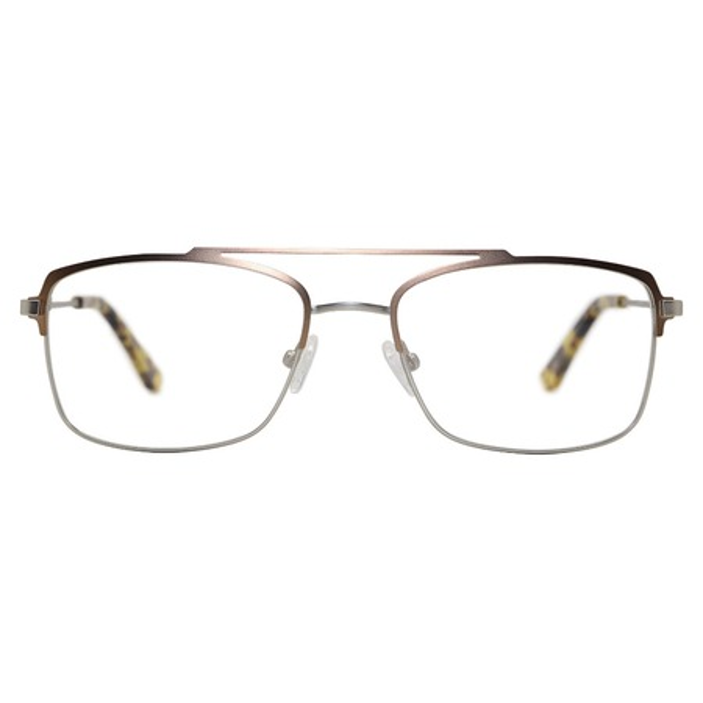
Frequently Asked Questions
How do brands specify blue light glasses at different price points?
At entry level the brief favours efficient constructions such as TR90 or moulded frames, restrained design and a tight colour range. At mid-market, acetate and mixed frames bring more perceived quality and a wider palette, with the product required to feel better in the hand. At premium level the brief starts from differentiation, using distinctive patterns, metal detailing and refined hinges.
Which frame materials suit a collection?
Acetate suits colour-led, premium and mid-market ranges because it offers depth of colour and a solid feel. Metal and titanium suit fine, light profiles, and mixed designs lift perceived quality without a fully premium build. TR90 and moulded frames suit value and volume lines, offering low weight, durability and consistent production at a sensible cost.
What should a brand document before making product claims?
A brand should keep material and component specifications, agreed sample standards and any verification the factory can actually provide for the features the product is described as having. These documents should be retained and organised so they can be retrieved when a customer or retail partner asks, and so each reorder can be checked against them.



