
 EN
Sustainable Optical Frames: How Eco Materials Are Reshaping Eyewear Design
Translate eyewear positioning into acetate specs: sheets vs blocks, color planning, lens-frame coordination, tiered manufacturing. Optimize your program.
What Changes When a Frame Uses a Lower-Impact Material
Sustainable optical frames have moved from a niche experiment into a defined design and manufacturing route, and that shift changes how frames are specified. When an eco material is selected, it is not only the material that changes, because a lower-impact stock often processes differently from conventional acetate or injection compound.
Frame thickness, weight, colour behaviour, finishing and even the assembly sequence can all be affected. Designers and buyers who treat the change as a simple substitution usually discover the difference during sampling, when a frame has to be adjusted to suit the material. The practical question for sustainable optical frames is therefore what a specific material delivers and what evidence sits behind it.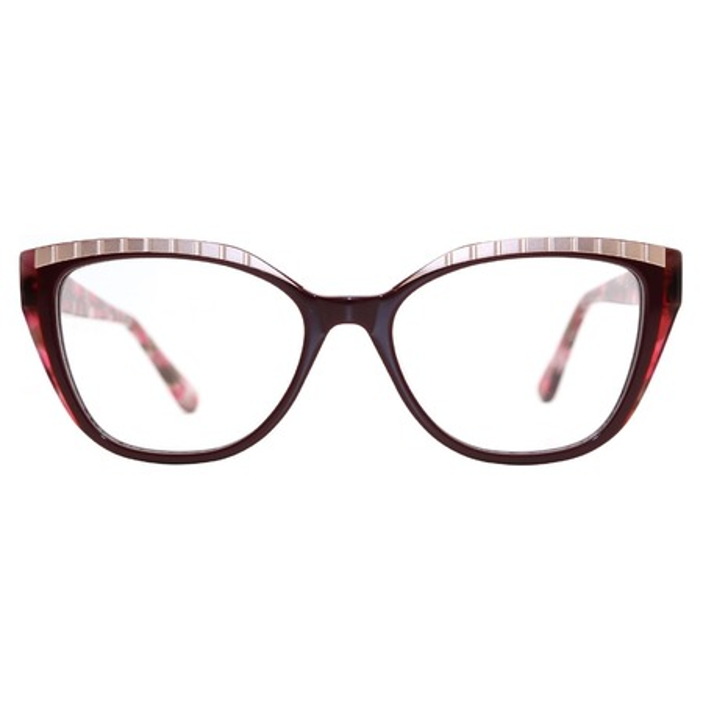
Materials at Different Stages of Readiness
Not every eco material is at the same maturity, and treating them alike is the fastest way to overpromise on sustainable optical frames.
Materials Already Running in Production
Some lower-impact materials are established enough to support regular frame production, which means they can be specified, sampled and refined through a normal development flow. Recycled and lower-impact options are available for qualified projects, but that applies to specific materials rather than to every option a supplier can name.
They work where the material properties match the frame design. The key word is qualified: the material has to suit the design rather than the design being bent to suit the material, and the geometry has to be set with the material's behaviour in mind from the first drawing.
Materials Still Under Qualification
Other options are still in development or qualification. They may be promising in testing without being validated across the full range of shapes, colours and finishing treatments that a production programme demands, and a pilot run can hide a problem that only appears across a full order.
Introducing such a material too early risks a product that samples acceptably and behaves inconsistently at volume, which is an expensive way to learn its limits. Being honest about that stage is part of good development practice, because a responsible partner distinguishes what is ready for volume from what needs further work.
Evaluating Readiness Before Committing
Evaluating readiness starts with the material: how it behaves during shaping, how it takes colour and finish, and how consistent it is between batches. A material that drifts between lots is not ready for a programme that depends on repeatable colour across replenishment orders.
Then comes the frame. Ask how the material performs at the specific geometry and thickness the design requires, because a material validated in one shape is not automatically suitable for another. Samples and measurements answer that question; a data sheet alone does not.
The Regenesis Collaboration and Its Material Families
Named materials give a brief a shared vocabulary, so a specification can be concrete rather than aspirational.
AEROLITE for Lightweight Optical Frames
AEROLITE is a lightweight composite for eyewear where lower weight and wearing comfort matter, with current work focused on lightweight product engineering and production validation. Because optical frames depend on a balance of weight, rigidity and comfort for daily wear, the family suits this category well.
A brand building its eco position around a main optical line can begin here, then extend the story to other products once the first range is established and documented. As with any material, the fit has to be verified against the design through a production sample rather than adopted from a description.
CARBONITE and OCEANTATE Across Categories
CARBONITE is a recycled composite developed for strength and durability in performance-driven frames, and it is the most mature of the three, with defined product and manufacturing take-up at Hisight. OCEANTATE is an ocean-plastic-based alternative to acetate sheet, developed for fashion frames where colour and design expression carry more of the value.
Availability and specifications vary by project, and the three families sit at different development, validation and production stages. Together they let a brand extend an eco position beyond optical frames, so one material direction can support a family of styles where the application genuinely fits.
Documentation Behind Every Claim
Documentation separates a material story from a marketing line. Any sustainability statement should be traceable to material evidence, whether that is the composition of the input or a record of what was used in the order. Without that link a claim is difficult to defend and easy to undermine.
Recycled and lower-impact options are supported for qualified projects with appropriate documentation, and for applicable materials the collaboration can draw on third-party life cycle assessment, traceability and product passport support. Coverage is project specific and has to be confirmed for each programme rather than assumed across a catalogue.
Geometry, Finishing and Testing
Choosing a material is the beginning, because it still has to be designed into a frame that performs.
Weight, Geometry and Balance
Weight and geometry are tightly linked in any frame, and an eco material shifts that balance. A lighter material may allow a heavier or larger front without the frame feeling cumbersome, which opens shapes that would be uncomfortable in a denser stock. A material with different stiffness may call for adjusted front thickness or temple construction.
These are design decisions rather than afterthoughts. Adjusting geometry after the material is fixed forces a fresh sample and a fresh approval, so it is more efficient to design with the material's behaviour in mind from the start, alongside the frame's own fitting requirements.
Finishing, Durability and Laboratory Checks
Finishing performs differently on different materials. A stock that takes a high polish readily looks distinct from one that suits a matte treatment, and the choice affects appearance and how the frame wears. Durability deserves equal attention, since a lower-impact material is neither automatically stronger nor automatically weaker.
The outcome depends on material, geometry and process, which is why testing matters. A frame fatigue tester exercises hinge and temple strength, a drop ball impact tester supports impact checks, and optical instruments verify lens behaviour. Three inspection stages then confirm that the material met the agreed requirements rather than passing on reputation.
A Defensible Sustainability Position
A sustainability position is only as strong as the evidence behind it, and that rule applies to every sustainable optical frames programme.
Working Through Qualified Projects
Recycled and lower-impact materials are best applied to qualified projects, where the material suits the design and documentation can be assembled to match. Qualification means the material has been assessed against the frame's requirements, which keeps a programme from relying on an untested combination of stock and geometry.
A buyer should confirm what documentation a factory can provide and align it to the destination market, since different markets expect different supporting evidence. Keeping the paperwork tied to what was genuinely used is what makes the programme auditable later, and it protects both sides when a retailer asks a detailed question.
Communicating to Buyers and Retailers
How a brand communicates its sustainability work matters as much as the material itself. A specific message that names the material direction and the programme it applies to is more credible than a general promise, and it is easier to defend when a retailer asks for detail.
Vague eco language invites doubt, while precise language builds confidence, and the difference shows in how a collection is received in a store. Keeping claims aligned with evidence lets a brand present a range that stands up to scrutiny rather than one that needs explaining away.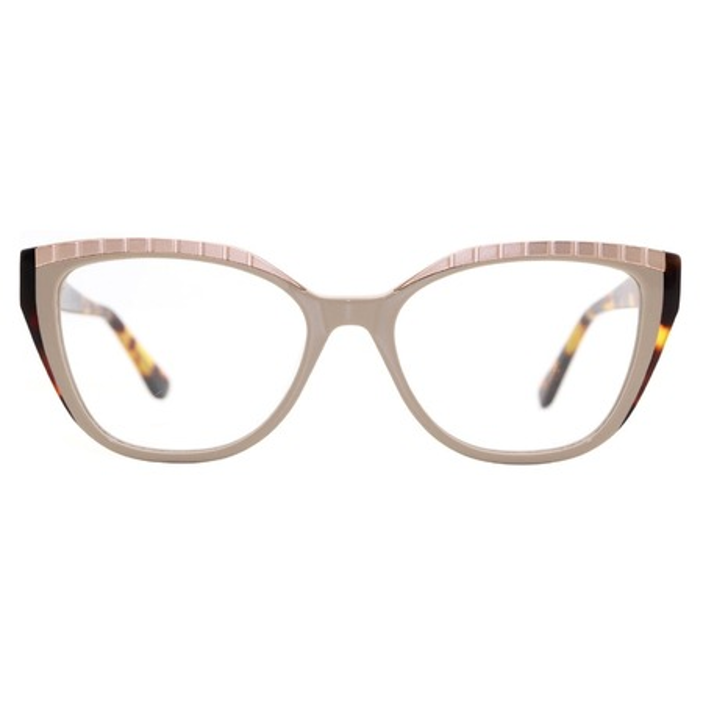
Frequently Asked Questions
What makes an optical frame sustainable rather than just marketed as eco?
The difference comes down to material evidence. A programme can trace its claims to the specific material used and to documentation that exists for that project, rather than relying on tone alone. Applying recycled or lower-impact options to a qualified project, with paperwork matched to the materials and components involved, gives the claim a foundation. Honesty about readiness is the second marker.
Which eco materials are ready for mass production today?
Readiness has to be confirmed against a specific frame rather than assumed in general. CARBONITE is the most mature of the three families developed with Regenesis Materials, with defined product and manufacturing take-up, while AEROLITE is focused on lightweight engineering and production validation and OCEANTATE is an ocean-plastic-based alternative to acetate sheet for fashion frames.
Does a sustainable material affect frame durability or weight?
Not automatically, in either direction. A lower-impact material is not inherently more durable or less durable than a conventional one, and the outcome depends on the material, the geometry and the process. Weight behaves the same way: a lighter stock may allow a larger front without the frame feeling heavy, but the balance has to be designed rather than assumed.



