
 EN
Developing Acetate Sunglasses Products for Different Brand Requirements
Translate eyewear positioning into acetate specs: sheets vs blocks, color planning, lens-frame coordination, tiered manufacturing. Optimize your program.
Turning Brand Positioning Into an Acetate Specification
Acetate sunglasses sit on the shelf as a designed object, which is why the material remains central to how many eyewear brands differentiate a range. The brief that starts the process is usually a positioning statement rather than a specification: a brand wants something lighter, warmer, more colourful, or closer to a particular aesthetic.
The manufacturer's job is to translate that brief into decisions about sheets and blocks, colour and pattern, frame shape, lens combination and finish. The catch is that identical briefs can be satisfied in very different ways, so the same acetate capability serves three brand profiles through entirely different specifications for acetate sunglasses.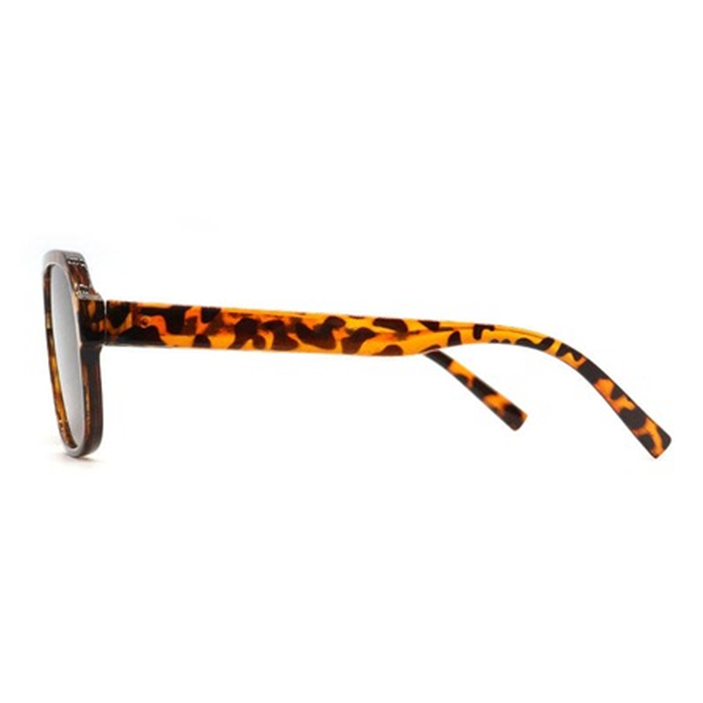
Material and Colour Selection
Acetate is a family of materials rather than a single sheet, and the choice inside that family drives the feel and cost of acetate sunglasses.
Sheet and Block Acetate Selection
Acetate is supplied as sheets and blocks, and the two are worked differently during shaping and finishing. Thickness availability and the finish a design calls for often guide the choice, so a particular thickness or surface treatment suits one form more than the other.
The decision affects weight, cost and how much material is spent per frame, and it should follow the design rather than habit. Sheet and block also respond differently to polishing and colour effects, so a design that looks crisp in one form can look flat in the other, and a range reads inconsistently if the forms are mixed without care.
Colour and Pattern Planning for Acetate Sunglasses
Acetate's main design advantage is the depth of colour and pattern it supports. Layered effects, translucent tones and directional patterns are built into the material itself, so a range can carry colour that does not exist in a solid injection frame. That is often why brands choose acetate for a signature piece.
Colour should be planned as a set rather than as isolated SKUs. An acetate range works when the colours sit together intentionally, whether the strategy is a tight palette or a spread of tones, so the factory should show colour samples in the intended finish before production begins rather than after tooling is committed.
Matching Material to Manufacturing Constraints
Material choice meets reality at manufacturing. Thicker fronts consume more machining time and material, while very translucent colours make internal marks more visible, so geometry has to be designed with the material in mind rather than adjusted afterwards.
Ignoring this produces a design that samples well and becomes awkward in bulk, because the material and geometry decisions are really one decision. Volume shapes the choice too, since acetate involves more manual shaping than injection and suits programmes where design quality justifies the process. That trade-off belongs in the brief, not in the sample room.
Frame Shapes, Sizes and Lens Combinations
Shape and lens choices carry the visible identity of the range, and they have to stay coordinated from the start.
Shapes and Sizes Across Brand Tiers
Frame shape is the clearest expression of positioning. A fashion-led label often leads with a distinctive oversized or directional silhouette, while a value-focused retailer leans on familiar shapes that sell across a broad customer base. A premium label refines a classic shape through proportion, thickness and finish.
Each approach changes how the front is drawn and how much acetate it consumes, so shape is a commercial decision as much as an aesthetic one. Size runs matter as much: a full size run serves more customers, while a one-size statement frame concentrates the design story. Changing sizes later forces tooling revisions.
Polarised and UV-Protection Lens Options
Lens specification is where function joins design. Polarised lenses cut reflected glare from water, snow and road surfaces, and UV-protection lenses address a separate requirement. Both are options that can be specified per project rather than defaults applied to every frame.
A buyer should confirm the lens base, tint, mirror finish and treatment being quoted, because the lens changes how the finished frame reads as well as how it performs. An unspecified lens is a hidden variable in the specification, and on a translucent front it is a visible one, since the lens edge shows through.
Coordinating Frame and Lens Decisions
Frame and lens decisions drift when they sit in different conversations. A shape approved against one lens form may sit poorly once a thicker or more curved lens is mounted, and the mismatch only becomes clear after assembly, when the frames are already made.
Coordinating the two from the start avoids a costly correction. The practical route is to settle both through the development workflow, moving from engineering review to sample development and sample approval, so the buyer judges proportion and coverage as the customer will rather than as a drawing suggests.
Logo, Finish and Hardware
The details a wearer touches decide whether a pair of acetate sunglasses reads as a considered product or a decorated blank.
Logo Methods and Surface Finishing
Logo application covers the mark and signature brand details, and the method is agreed at the sample stage according to material, shape and expected volume. A mark on a curved or high-contact surface needs a durable process and secure fixing, so the buyer should confirm how the agreed method performs in normal wear.
Finishing gives acetate its character. Polishing produces the depth and sheen the material is known for, while matte and satin treatments give a quieter look that suits certain positions. Edge treatments and colour effects should be specified alongside the base colour rather than decided at the end of development, when tooling is already set.
Hinge and Component Choices
Hinges are small parts with an outsized effect on how a frame feels and lasts. Metal or injection hinges, the presence of a spring action, and the choice of temple and nose pad materials all shape the experience, and a premium label may specify a more robust hinge while a value programme prioritises a dependable standard.
These choices interact with the acetate front. Hinge alignment and temple geometry must be set so the frame sits straight and opens smoothly, which depends on consistent locating points. Components therefore belong in the frame specification early rather than being sourced once the front is finished.
Three Brand Profiles
The same acetate capability is tuned to different briefs by pulling different levers, which is the practical skill in acetate sunglasses development.
Fashion-Led and Value Retail Configurations
A fashion-led brand usually leads with colour and shape. A bolder front suits block acetate, alongside layered or translucent patterns that carry a seasonal story, with logo application kept visible and packaging that reinforces the theme rather than staying neutral.
A value-focused retailer prioritises familiar shapes, dependable quality and consistent supply. Sheet acetate can suit efficient material use, with straightforward colours and reliable components that keep returns low. The manufacturing emphasis shifts to repeatability, because the business depends on replenishment rather than novelty, and a frame staying in the catalogue for several seasons.
Premium Configuration and Packaging
A premium label concentrates on refinement. A thicker front can suit block acetate, with tighter colour ways and a classic shape carried by proportion and finish rather than novelty. Lens specification often covers polarised and UV-protection options in a considered combination, and branding tends toward an integrated treatment on the front.
For this profile the manufacturing challenge is precision rather than breadth. Geometry, hinge feel and surface finishing all have to meet a higher standard, and packaging carries the same intent. A case, cloth and insert that echo the frame turn the last step into part of the product rather than a shipping detail.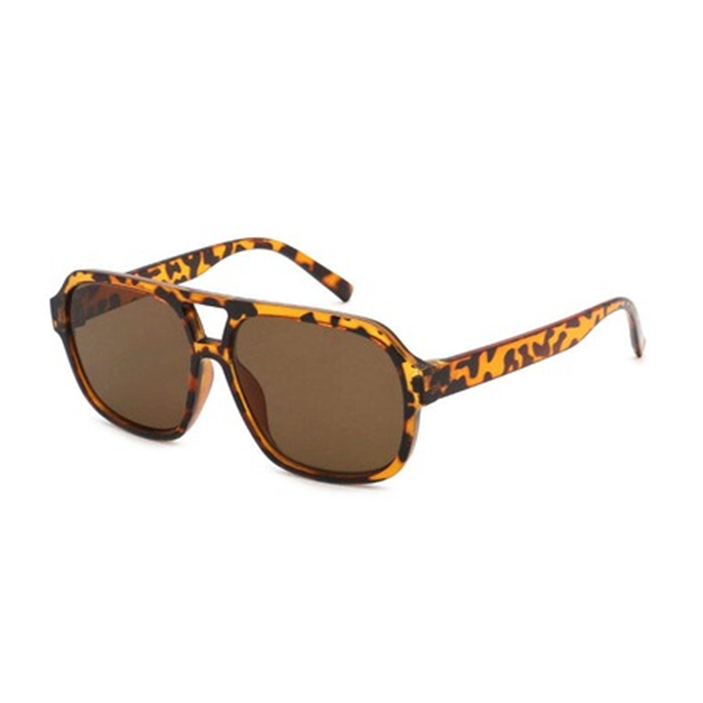
Frequently Asked Questions
What determines the cost of a custom acetate sunglasses programme?
Cost is driven by several interacting factors rather than one headline number. The choice between sheets and blocks changes how much material each frame consumes and how much machining and finishing time it needs. Frame thickness, shape complexity, colour and pattern, and the logo method all move the cost, and volume influences how those costs are absorbed. Lens specification and packaging add to the total.
Can the same acetate frame be produced in different colours for different markets?
Yes, and it is one of the efficient ways to build a range. A single frame shape can be produced across several colours or patterns, letting one set of tooling and one design approval cover multiple SKUs or regional variants. The discipline is colour control across the set, with each colour specified and checked against a retained reference.
What information should a brand provide before development begins?
A useful brief covers positioning and constraints together. Positioning explains the intended market and the collection story, which guides colour, shape and finish. Constraints cover the target price, expected volumes per SKU, the size range and the lens direction. The clearer the brief, the fewer revisions later, and the factory can recommend a construction instead of proposing several.



