
 EN
A Complete Guide to Optical Frame Materials, Structure, and Design Considerations
Match optical frame material to price, fit & channel: compare acetate, titanium, TR90, metal & PC, plus structure, hinges & scaling. Get the guide.
Reading an Optical Frame as a Chain of Decisions
An optical frame programme is not defined by one decision. It is defined by a chain of them: the material the front is made from, the way the frame is structured, the design values the buyer wants to hit, and the production method that can repeat all of it at volume. Change the material and the structure has to change with it.
That is why sourcing a frame well means understanding how those decisions depend on each other rather than treating them as a menu. A material range covering acetate, metal, titanium, TR90, PC and mixed constructions matters because it lets a buyer match material to price band, fit and channel without forcing every set of optical frames into a single process.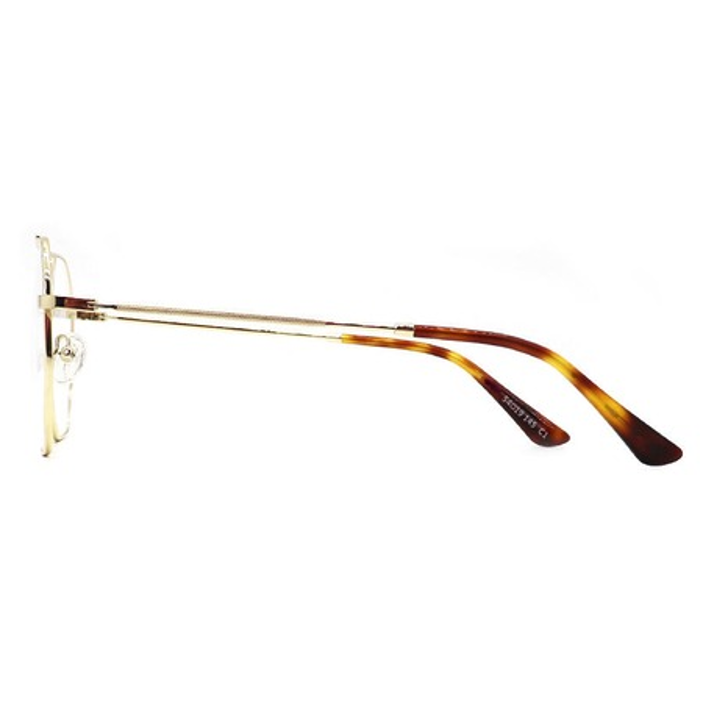
Material Choices and Where Each Fits
Every material brings a different balance of feel, weight, finish and process cost to optical frames.
Acetate and Milled Optical Frames
Acetate is supplied as sheets and blocks that are cut, milled and polished rather than moulded. That process gives it depth of colour, a substantial feel and a surface that takes well to tumble polishing and hand work, which suits designs where colour richness and a solid hand-feel carry the value.
The trade-off is process intensity. Milling, tumbling and polishing take time, and each step affects the final appearance. Acetate also allows colour layering, so a front can show a different tone at the core than at the surface.
Metal and Titanium in Slim Optical Frames
Metal allows thin profiles and an engineered look. Stainless steel and similar alloys handle slim temples and fine fronts, and they accept plating that gives a clean, consistent surface. Metal suits designs where the frame recedes and the shape should read clearly.
Titanium sits in a different part of the spectrum. It offers strength at low weight, which suits light frames and buyers wanting a premium feel without bulk, but it demands tighter process control and carries a higher cost position. Neither material is universally better; the choice follows the weight target and the price band.
TR90, PC and Mixed Builds
TR90 is a thermoplastic known for flexibility and low weight, often chosen for active frames because it tolerates flexing and returns to shape. Polycarbonate is also injection-moulded but is selected for different reasons, since it supports complex moulded geometry and clear or tinted lenses with repeatable output at volume.
Mixed constructions combine the strengths of more than one process. An acetate front with metal temples, or a TR90 core with metal trim, pairs colour depth with slim hardware. The trade-off is complexity, because assembly has to manage different materials and the joins become critical points that demand precise fitting.
How a Frame Is Structured
Structure translates a material choice into optical frames that fit and last.
Front Geometry and Endpieces
The front carries the lenses and defines the face's proportions. Its geometry includes lens shape, bridge and the angles that let the frame sit properly, and a front that is dimensionally correct but poorly angled still sits wrong. Geometry and fitting accuracy are therefore reviewed together rather than as separate properties.
The endpiece is the joint area where the front meets the temple. It is small and carries a concentrated load, and its design decides how the hinge attaches and how the frame behaves when opened. A well-proportioned endpiece spreads that load; a weak one concentrates it and becomes the failure point.
Hinges and Temple Construction
The hinge is the moving part, and moving parts wear. Barrel, spring and screw constructions each offer a different balance of cost, feel and serviceability, since a spring hinge tolerates more flex while a simple barrel hinge is lighter and cheaper but less forgiving.
Temple construction matters because temples are handled constantly. Length, thickness and curvature affect both fit and durability, and a temple too thin for its material can crack at the hinge while one too stiff presses the head. Core wire in acetate temples holds shape and supports adjustment, so components are matched to the material rather than chosen independently.
Nose Pads, Core Wire and Fitting Elements
Nose pads are small elements with a large effect on comfort. Adjustable pads on a metal bridge allow fine fitting, while moulded pads on an acetate bridge give a fixed position, and the choice follows the material and the fit range the frame is meant to serve.
Core wire is the hidden element that shapes what the wearer feels. Embedded wire lets an acetate frame be adjusted and helps it hold that adjustment, and its specification affects rigidity as much as fit. Together with temple angles and lens-ready precision, these elements decide whether one frame can suit a range of faces.
Design Considerations for the Finished Frame
Design is where material and structure meet the buyer's commercial target for optical frames.
Weight, Balance and Fit Range
Weight is one of the first things a wearer notices. A light frame feels comfortable, but lightness has to come from material and design rather than from removing structure the frame needs. Balance matters as much as total mass, since a frame that is light overall but front-heavy still presses the nose.
Fit range is a design choice with production consequences. A frame meant for a broad range of faces needs fitting elements and temple lengths that adapt, while a narrow-range frame can be tuned more precisely. The two cannot share one specification and expect the same result, so both are confirmed on the assembled frame during sampling.
Finish, Colour and Lens Compatibility
Finish is the most visible design outcome. Plating, tumbling, polishing and coating each leave a characteristic surface that has to be consistent across a run, because an uneven finish looks cheaper than the design intends. Colour adds another layer, since acetate allows layered tones while metal and plastic allow solids.
A frame is only complete with a lens in it. Lens compatibility covers whether the geometry suits the lens types a market will fit and whether the rim can hold a lens without stress, and durability is the sum of hinge quality, temple resilience, material strength and joint integrity.
From Sample to Repeatable Production
A design that works as a sample still has to work as a production run, and that is where optical frames prove their process.
Aligning Material With Price Band and Channel
Material choice sets a large part of the cost structure. Acetate adds finishing time, titanium adds material and process cost, and injection adds tooling but rewards volume. A buyer positioning a frame at entry level and one positioning it as premium will not make the same decision.
Channel plays a role too. A frame sold through a value chain needs efficient production and packaging, while one sold through optical retail can carry a more involved construction and finish. The danger is paying for capability the channel cannot sell.
Sample Approval, Freeze and Scaling
Sampling is where a frame stops being a concept. The buyer reviews material, colour, fit and finish on a physical product, and this is the most efficient point to change direction because later changes cost more. Once approved, the design is frozen, giving the factory a stable reference and the buyer a fixed target for costing and marketing.
Scaling then confirms that materials, components and tooling can deliver the frozen design repeatedly. Because the production route is chosen to suit the material and volume, the same design can run on the process that fits it, and inspection at each stage keeps every run aligned with what the buyer approved.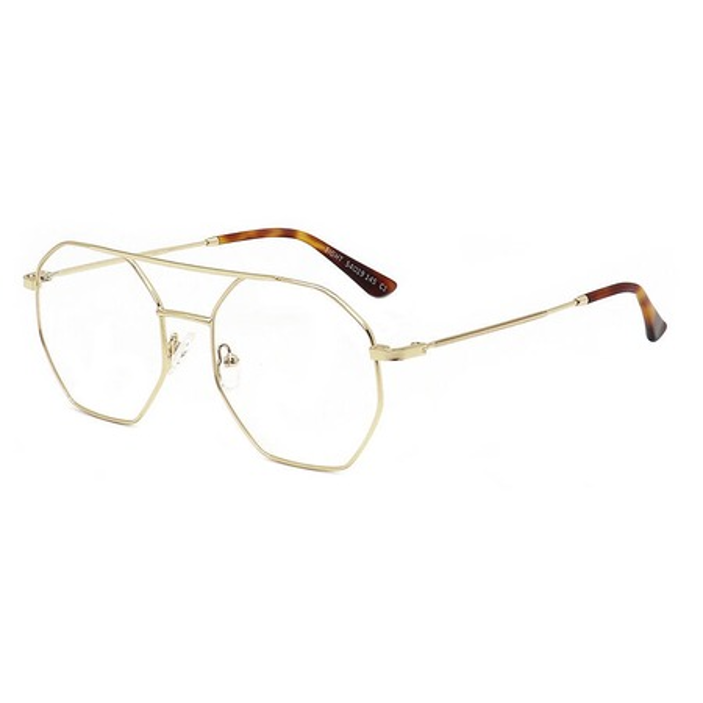
Frequently Asked Questions
Which frame material is best for optical frames?
No single material is best, because each solves a different problem. Acetate offers colour depth, warmth and a crafted feel at the cost of process time and weight. Metal allows slim, precise geometry but needs protection to stay looking new. Titanium reduces weight while raising cost, TR90 is valued for flexibility, and PC suits complex moulded geometry. The choice follows price band, channel and design target.
What parts make up the structure of a frame?
A frame is built from a front, two endpieces, two hinges, two temples and the fitting elements such as nose pads and core wire. The front carries the lenses, the endpieces join front to temple and concentrate load, the hinges are the moving parts subject to wear, and the temples control fit and durability. Each part depends on the others, so structure is reviewed as a system.
How does a design move from sample to production?
It moves through a defined workflow: design and product specifications, engineering review, sample making, sample approval, production preparation for materials and tooling, then manufacturing, final inspection and packing. Sample approval is the freeze point that turns a concept into a fixed reference, after which scaling confirms the chosen process can repeat it.



