
 EN
How Brands Develop Distinctive Optical Frames Through Design Innovation
Generic eyewear? Front geometry, materials & detailing innovation create instantly recognizable frames. Get your custom frame spec guide.
Turning Brand Identity Into Manufacturable Designs
More often than not, a brand loses a customer not because its frames are technically poor but because they look like everyone else's. Distinctiveness turns a catalogue into a recognisable label, and in eyewear it is built long before the first unit ships, at the point where a design idea meets a manufacturable specification.
The interesting question is not whether a shape can be drawn, but whether it can be engineered, tooled, finished and repeated with the consistency a retail programme demands. Design intent for custom optical frames arrives in two ways: a completed specification to build faithfully, or a product brief that engineering translates.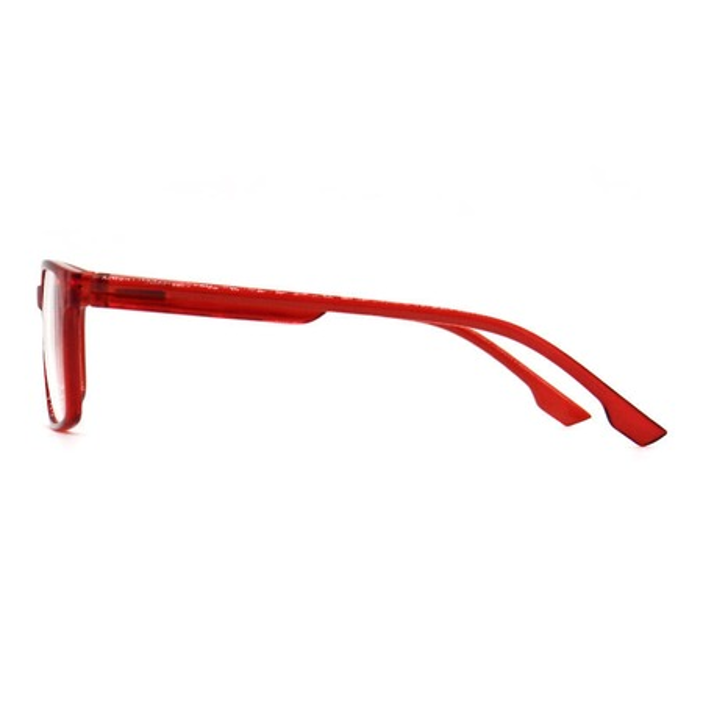
Where Differentiation Begins
Differentiation starts with structure rather than decoration, because the front, endpiece, hinge and temple of custom optical frames carry the design language.
Front Shape and Geometry in Custom Optical Frames
The front is the first thing a customer sees, so its shape carries most of the visual identity. Shape families matter, but so do the details inside them: the bevel profile, the thickness distribution from rim to edge, the face form angle and the way the rim meets the bridge.
Front geometry also has to work with lenses. Groove depth, rim thickness and internal clearance determine how a lens sits and how easily it assembles, so a dramatic shape that ignores those constraints creates fitting problems later. Geometry is defined in parallel with the lens specification and modelled in three dimensions before tooling.
Endpiece and Hinge Structure
The endpiece is a small area carrying a disproportionate load, and its design strongly affects how a frame ages. An integrated endpiece formed with the front gives a cleaner line and fewer joints, while a separate, attached endpiece allows more material contrast and freedom in hinge placement.
Hinge selection follows the same logic. Barrel, spring and monoblock designs each trade off thickness, assembly method and repairability, and a hinge that looks elegant on a drawing may demand more material around it than the front can spare. Choosing the two together, early, is what keeps a distinctive frame from becoming a warranty problem.
Temple Design and Core Wire
The temple connects the design to the person wearing it, and it is where fit and identity meet. Profile, taper and thickness set the visual line from front to ear, while acetate temples often carry a core wire inside that lets the temple be adjusted and hold that adjustment rather than bending once and losing shape.
Where a core wire is used, its specification covers the alloy, the wire section and how it runs through the temple. It has to sit deep enough to be hidden but close enough to the surface to shape the frame during fitting, since placement errors telegraph through the acetate as a visible ridge.
Materials and Constructions
Material choice is not a neutral technical decision, because it shapes what a design can express and how the product ages.
Acetate, Metal and Titanium
Acetate offers rich colour and pattern, machines well and can be produced in layered or marbled sheets. Metal allows thinner sections and finer detail, which suits minimalist and architectural designs. Titanium brings a high strength-to-weight ratio, letting a frame stay light while keeping a slim profile.
Choosing among them is about matching behaviour to intent. A thick, sculptural front usually suits acetate, while a delicate rim with a wire-like appearance usually suits metal or titanium. A frame built from the wrong material fights the design, so the recommendation comes from the requirement.
Mixed-Material Constructions
Mixed constructions are one of the clearest ways to make a frame distinctive. A colour-rich acetate front with a slim metal temple, or a metal front paired with an acetate temple, separates a product from a single-material frame at a glance, and the contrast signals a deliberate decision rather than an accident of sourcing.
The engineering challenge sits at the joints. Where two materials meet, tolerances have to be controlled so parts align cleanly, and the connection must hold without relying on friction alone. Inserts and precisely machined interfaces do the hidden work, and the assembly sequence is planned so alignment problems do not appear on the line.
Colour and Finish Direction
Colour and finish define how a frame is read at a glance. Acetate colour, gradient, marbling and layered effects give a large palette, and matching a specific house tone is an option agreed for the project. Metal finishes such as brushed, satin or polished surfaces change the perception of the same shape.
Finish is also a quality signal. A consistent, uniform surface reads as precise, while uneven polishing or haze suggests a rushed process. Because colour influences material sourcing, cutting plans and the polishing sequence, those decisions are best made early, when they become part of the specification rather than rework.
Detailing and Packaging
Once structure and material are set, detailing carries the brand signature a customer remembers.
Metal Trim and Custom Hardware
Metal trim adds definition without changing the overall shape. Decorative inserts, rim accents, custom hinge barrels and metal temple cores let a brand introduce a second material and a second finish into an otherwise simple design, and the detail can be subtle or assertive provided it is manufacturable within the frame's tolerances.
Custom hardware is where a proprietary look emerges. A distinctive hinge barrel or a shaped end tip becomes a small visual signature that recurs across a collection, tying separate models together without repeating the same front. The engineering work is about fit and fixation, so trim and tooling are developed as a pair.
Engraving, Logo and Packaging
Logo application turns a frame into a branded object, and the method should match the material and the desired subtlety. Laser engraving produces a fine durable mark on metal and acetate, debossing or printing on the temple creates a softer effect, and a metal plaque allows a crisp contrasting badge. Placement matters as much, since a temple exterior is visible while an inner tip is private.
Packaging is the last stage of the design and the first thing a customer opens. A retail-ready case, cloth and insert extend the frame's identity, and treating packaging as part of the product keeps the whole experience consistent.
From Design Intent to Specification
A design becomes a product only when it survives engineering review, sampling and tooling, which is where custom optical frames are really made.
Engineering Review of the Custom Optical Frames Brief
The development route often begins with a product brief rather than a finished drawing. Engineering reviews that brief and turns intent into manufacturable parameters: dimensions, tolerances, material specification, hinge selection, finish and assembly sequence, while surfacing cost drivers and feasibility questions before anyone commits to tooling.
This is where a loosely described idea is either confirmed or gently corrected. A shape that cannot be moulded at the intended thickness, or a hinge that cannot fit the planned endpiece, is identified here rather than after the tool is cut. The earlier a constraint appears, the cheaper it is to design around.
Sampling, Approval and Tooling
Sampling converts the reviewed specification into a physical frame, and it is where colour, finish, fit, geometry and detailing are tested together for the first time. Iteration is normal, but each round should be a controlled change against the specification rather than an improvised tweak that nobody records.
Approval is the gate to production, because the accepted sample becomes the physical reference for the bulk order. Tooling comes last, since it has the least flexibility: once moulds and machined fixtures exist, changing the design means changing the tool. Sequencing decisions that way keeps the expensive steps until everything upstream is fixed.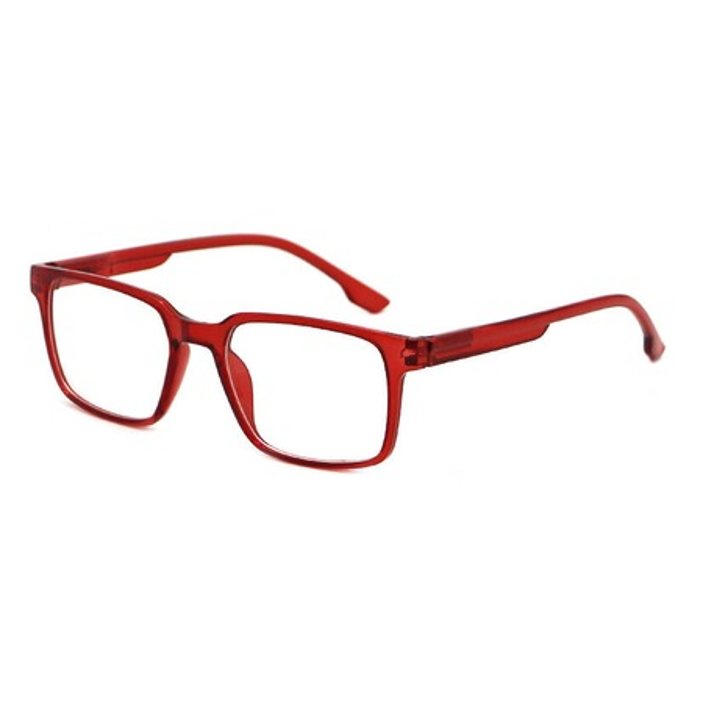
Frequently Asked Questions
What makes a pair of optical frames distinctive?
Distinctiveness comes from the combination of front geometry, structural choices, material and detailing rather than from one feature. A recognisable frame usually has a clear shape identity, a considered endpiece and hinge solution, a material that suits the design, and a detail such as trim or logo placement that recurs across the collection. When those elements point the same way, the frame reads as deliberate.
Can a brand create custom frames without a new platform?
It depends how far the design moves from the existing platform. A brand can often create distinctive custom optical frames by changing the front shape within an established construction, altering colour and finish, and adding detailing such as trim or engraving. Pushing into a new structure or material combination usually requires new tooling, so the design is reviewed against the platform first.
How is production kept matching the approved sample?
The approved sample becomes the physical reference for the bulk order and production is measured against it through three inspection stages. Incoming inspection confirms materials and components, in-process inspection checks key production and assembly steps, and final inspection verifies finished eyewear before packing. A colour assessment cabinet supports appearance checks under standard lighting.



