
 EN
Custom Reading Glasses Solutions for Brands Expanding Functional Eyewear Lines
Scale functional eyewear via diopter accuracy, frame material strategy, and packaging systems—custom reading glasses as high-margin, low-risk B2B expansion.
Why Reading Glasses Extend an Eyewear Range Efficiently
Adding reading glasses to an established eyewear line is one of the more efficient ways a brand can widen its shelf presence, because the category shares materials, colours and packaging language with what the brand already sells. The product carries its own logic, however, and custom reading glasses are not simply smaller optical frames.
Diopter range, power labelling and lens accuracy all matter in ways a sunglasses or optical programme does not test. If diopter accuracy drifts or colours do not match across a range, a poorly built line undercuts the brand it was meant to support. Planning the range as a matrix rather than a single product is what keeps every power defensible.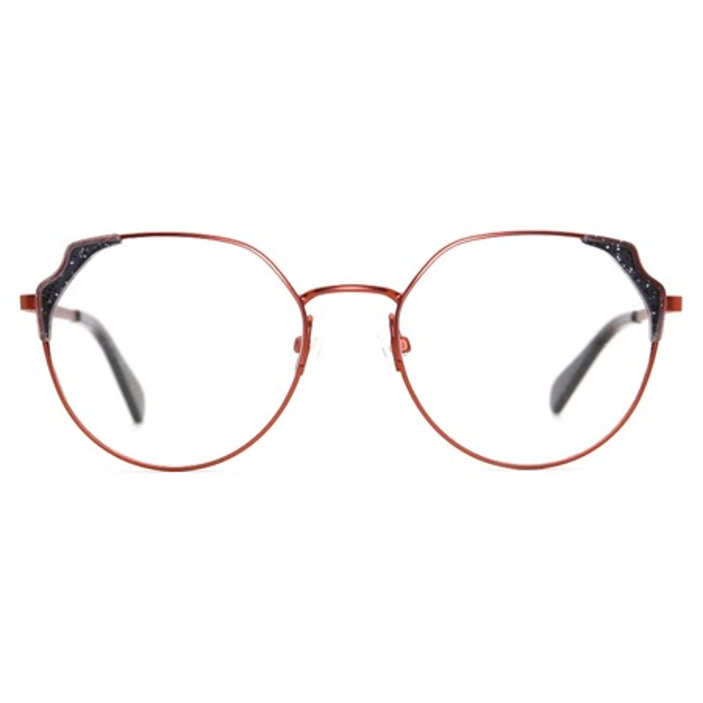
Diopter Range Planning
A reading glasses range is planned as a matrix, because each power becomes its own SKU with its own inventory exposure.
Mapping the Range to the Market
The first planning decision is the diopter range itself. Most retail programmes cover a spread of powers, and the exact steps, upper and lower limits depend on the market and the customer base a brand serves. A value-focused channel may carry more mid-range powers, while a specialist optical retailer may want a wider spread with finer steps.
The right shape of the range follows the channel rather than a template. Map it against the destination market and existing customer data before committing tooling, because the cost of a wide range sits in inventory and packaging as much as in frames. Modelling demand per power is more useful than assuming an even split.
Lens Options and Power Labelling
Lens options for readers are narrower than for sunglasses, but they still need specification. The lens base, coating and any additional treatment should be agreed up front, and the buyer should confirm exactly what is quoted rather than relying on a generic description that leaves room for substitution.
Power labelling must then match the lens actually mounted, because a mislabelled SKU is a retail problem that damages trust quickly. Labelling discipline extends to packaging: power markings should be legible, consistent across the range and aligned with the artwork, since an inconsistent scheme makes a display look unfinished.
Diopter Verification During Production
Diopter accuracy is the technical heart of the programme. A power that reads outside its intended value fails the basic promise of the product, however attractive the frame, and neighbouring powers look similar enough that a mix-up can pass a visual check.
Lens power is therefore verified against the project specification with an automatic lensmeter that measures refractive power and optical centre, both during production and before packing. For a brand building a multi-power range, that verification is what keeps every SKU defensible and what makes the printed label trustworthy.
Frame Design Across Materials
A reader can share the visual language of a full optical range while tuning weight, cost and feel for a functional category.
Matching Construction to Each Tier
Acetate brings depth of colour and a solid feel, which suits a brand positioning its readers as design-led rather than purely functional. Metal offers a lighter, slimmer profile and works well for classic shapes that suit a professional audience.
TR90 and injection-moulded constructions bring lower weight and consistent production, which suits value tiers and multi-SKU ranges where cost control matters. The right choice depends on the tier and the channel, and a mid-market brand may run two constructions across one range to cover different price points without splitting the design story.
Colour, Pattern and Logo Application
Colour and pattern carry the range's identity. Acetate supports layered effects that injection cannot easily match, while injection allows clean solids and consistent colour dosing across large volumes. Mixing the two means the colour strategy has to be planned deliberately, or the tiers will not sit together on a shelf.
Logo application is where brand presence lands. The method is agreed at the sample stage according to the frame material and the mark's shape, so a clear treatment on every SKU reinforces recognition at the point of sale without adding cost where the customer will not notice it.
Fit and Temple Considerations
Reading glasses are worn for short, frequent sessions, so comfort behaves differently than in a fashion frame. Temple length, hinge feel and bridge geometry all affect how the frame sits during reading, when the head tips downward and the frame's balance shifts forward.
Frame geometry and fitting accuracy should be checked as they are for optical frames, with attention to how consistently the frames sit across the powers in the range. Because readers multiply across SKUs, small fit inconsistencies become multiplied complaints, which makes bringing fit into the specification early cheaper than correcting it later.
Packaging and Retail Presentation
For a functional line sold on a rack or pegboard, packaging is part of the product rather than protection around it.
Building a Packaging System for Every Power
The range is a packaging exercise as much as a manufacturing one. Each power becomes a separate package, and the set needs a design system that keeps every SKU recognisable while distinguishing the powers clearly at a glance, in a basket and after purchase.
Packaging covers cases, boxes and presentation, with formats agreed per project so they work across the full ladder of powers. Planning packaging alongside frame design also catches mismatches between artwork, power labelling and the physical frame before bulk production, when a correction is still inexpensive.
Presentation Details and Documentation Support
Presentation details do quiet work in replenishment. Consistent case dimensions, standardised power labelling and a repeatable package layout let a retailer restock individual powers without redesigning a display, and adding a new power later does not disturb the rest of the set.
Documentation and labelling support deserves a place in the same conversation. Destination markets differ in what they expect on a label and in what supporting paperwork a shipment may require, so the practical approach is to specify label content, language and documents before production begins rather than after a container is booked.
Replenishment Stability
The category is bought repeatedly and often in multiples, so the second and third order of reading glasses matter as much as the first impression.
Tooling and Specification Control Across SKUs
A multi-SKU range multiplies the need for control. Each power and each frame variant is its own specification, and if those specifications are not archived precisely, a repeat order becomes a reconstruction exercise rather than a retrieval.
Tooling, colour formulations, lens sourcing and labelling are records a buyer should ask the factory to keep per SKU, so the range can be reproduced without guesswork. That reliability is what allows a brand to commit to a wide diopter range in the first place, since it can trust the line will stay intact.
Holding Colour and Diopter Between Orders
Colour continuity and diopter accuracy are the two dimensions where ranges usually drift. A colour that shifts between orders makes a display look inconsistent, and a diopter that moves undermines the product's function. Both are controllable when the factory applies consistent process settings and checks against a retained reference.
A three-stage quality system covering incoming, in-process and final inspection exists to catch those shifts before they reach a carton. Combined with in-house testing of lens power, that structure keeps a range aligned across repeat orders and lets volume grow without loosening the standard.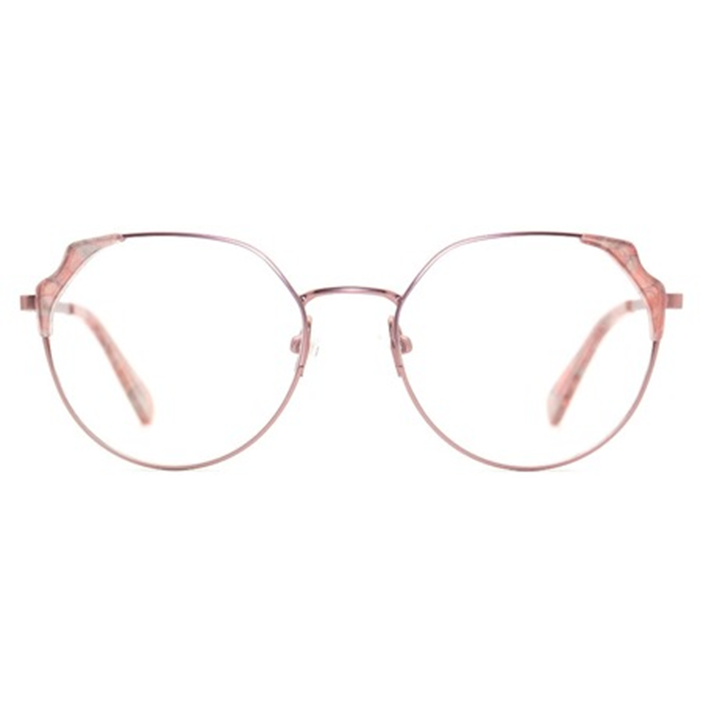
Frequently Asked Questions
What diopter range should a new reading glasses line cover?
There is no universal answer, because the right range depends on the market and the customer base. A value-focused channel often carries a concentrated spread of mid-range powers, while a specialist optical retailer may want a wider spread with finer steps. Model demand per power rather than assuming an even split, since each power carries its own packaging and inventory exposure.
Can reading glasses and optical frames share the same tooling?
They can share materials, and shared platforms are possible where the construction allows, which is why adding readers to an existing line is efficient. Acetate, metal, TR90 and injection constructions all serve both categories. Frame geometry does differ, though, because readers are worn during short sessions with the head tipped downward, and lens labelling diverges since diopter specifications apply only to readers.
How does a brand keep colours consistent across a multi-SKU range?
Colour continuity depends on recorded formulations and consistent process settings rather than goodwill between orders. Each SKU should have its colour specification archived so a repeat order reproduces the original. Acetate and injection behave differently, so a mixed range needs both routes documented and checked against a retained reference at agreed checkpoints.



