
 EN
Behind the Production Process of Reliable Optical Frames
What makes optical frames reliable? Discover how acetate, metal, titanium & TR90 production routes impact durability, fit & lens readiness.
What Separates a Reliable Optical Frame From an Inconsistent One
Two optical frames can look identical on a shelf and behave completely differently after a year of daily wear. The reliable one keeps its shape, holds its lenses securely, opens and closes smoothly and retains its finish; the inconsistent one drifts, loosens and dulls. The gap is rarely visible at the point of sale, because it comes from how the frame was produced.
This article follows the process behind reliable optical frames, treating acetate, metal and titanium, and injection-moulded optical frames as three distinct routes rather than one generic line. It also covers TR90 and mixed-material constructions, and explains how one OEM and ODM workflow applies across all of them, so a buyer can judge capability rather than a catalogue photograph.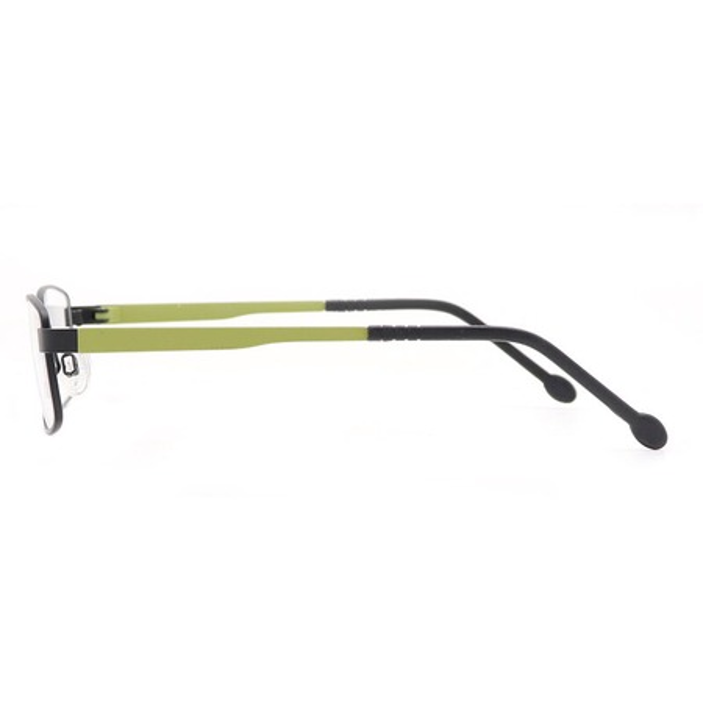
The Acetate Route
Acetate is a subtractive process, so the frame is revealed by removing material rather than formed in a mould, and that shapes how optical frames are finished.
Block Cutting, Milling and Forming
Acetate optical frames begin as sheets and blocks that are cut to rough shape and then milled to final geometry. The initial cut removes bulk quickly, while milling follows the design with far greater precision. Front, temples and decorative elements each follow their own toolpaths, and their accuracy decides whether the frame matches the approved sample.
Milling also establishes internal structure. Lens grooves, hinge recesses and temple cores are cut at this stage, and their dimensions determine how cleanly later components fit. A groove slightly too deep affects lens seating long after milling ends, which is why forming and machining are treated as one controlled sequence.
Tumbling, Polishing and Surface Depth
Tumbling transforms milled acetate from a rough blank into something with depth. Frames run through rotating drums of media and compound in a controlled sequence, gradually smoothing surfaces and building the gloss that gives the material its character. The order, duration and load of each stage all influence the result.
Polishing completes the surface and reveals depth, particularly in patterned acetate where colour runs through the block. A poorly polished frame looks flat, while an over-polished one loses the crisp edges that define its design. Holding that balance across a batch is a craft as much as a process, and it shapes perceived value.
Hinge Insertion and Temple Assembly
Hinges are inserted mechanically, often with the temple core drilled or milled to receive them. The fit between hinge and acetate determines how firmly the joint holds, and a loose insert works free over time. Controlled drilling and a correctly sized hinge are what keep the joint tight before assembly begins.
Temple assembly then connects front and temples through the hinge, and alignment decides how the frame folds and sits. A small error in hinge placement produces temples that splay or droop, which a wearer notices immediately. Acetate also has to accommodate screws and metal reinforcement, so fasteners are specified to protect the material while holding the joint.
The Metal and Titanium Route
Metal offers thinner sections and finer detail in optical frames, but it forgives less than acetate once a shape is set.
Stamping, Wire Forming and Welding
Metal and titanium frames are built from a different toolkit. Sheet metal is stamped into rim and bridge shapes, while wire is formed into temples and decorative elements. These processes demand precise dies and controlled forming, because metal does not tolerate reshaping once set, and a die that wears shows up as inconsistency across a run.
Welding joins the formed parts into a frame. Weld quality determines both strength and appearance, and a poor weld can crack under stress or leave a seam that finishing cannot hide. Titanium adds its own demands because it behaves differently under heat and pressure, which is why this route rewards specialist experience.
Coating, Plating and Finish Durability
Finishes protect the metal and define the look. Plating and coating come in many forms, and their durability depends on surface preparation, process control and curing. A coating that does not adhere properly flakes or discolours, which is a visible failure rather than a subtle one, and it usually appears within weeks of wear.
Surface preparation is easy to overlook and hard to fake. Metal must be clean and correctly prepared before plating, or the finish will not bond, and rushing that step can look acceptable on the day while failing soon after.
Soldering, Adjustment and Fit
Soldering and adjustment bring metal frames to their final fit. Nose pads, endpieces and bridge components are joined, and the frame is adjusted so temples align and the front sits correctly. Because metal can be bent, final adjustment is part of production rather than a retail afterthought.
Fit accuracy is where optical frames earn daily comfort. A frame that sits slightly off will slip, press or sit unevenly, and the wearer notices within minutes. Building a fitting check into production rather than leaving it to the point of sale means the frame arrives ready to wear.
The Injection and TR90 Route
Injection fixes the geometry of optical frames inside a tool, so the quality conversation starts before any part is moulded.
Tooling and Mould Flow
Injection-moulded frames are made by filling a mould with molten material, so tooling and mould flow decide the outcome. A well-designed mould fills evenly and cools predictably, while a poor one produces sink marks, warping and short shots. Because geometry is fixed by the tool, correcting a design fault means changing the mould.
Mould flow analysis before steel is cut lets engineers adjust wall thickness, gate position and cooling so the frame fills cleanly. That front-loaded effort prevents the expensive cycle of cutting a tool, discovering a defect and recutting it, and once the mould is proven, injection delivers consistency that hand processes struggle to match.
Demoulding, Trimming and Assembly
Demoulding and trimming follow moulding. As parts leave the tool they need careful handling to avoid marks, and any gate vestige or flash must be removed cleanly. Trimming quality affects appearance and fit alike, because a ragged edge is both visible and uncomfortable in the hand.
Assembly then brings the moulded frame together with lenses and any metal components. Alignment, lens seating and hinge function apply here as elsewhere, but the material's stiffness changes how assembly must be handled, since frames forced during fitting may crack or stress-mark.
Shared Controls Across All Routes
However different the routes are, optical frames share one starting point and one standard of proof at the end.
Incoming Inspection of Materials and Components
Incoming inspection checks materials and components before production, so an out-of-spec batch of acetate, a mislabelled metal stock or a faulty hinge is stopped at intake. Catching a problem there prevents it from being built into every frame that follows, which is why the check is a production step rather than an administrative one.
The checks cover dimensions, appearance and material identity: colour and pattern against a reference for acetate, alloy and surface condition for metal, dimensions and function for components. Recording what arrived and what was accepted builds a trail for later questions.
Final Inspection and Lens-Ready Precision
Final inspection examines finished frames before packing, confirming geometry, fitting accuracy, hinge durability, lens-ready precision and surface finishing against the retained sample. Because optical frames usually receive prescription lenses later, lens-ready precision deserves particular attention, since a groove or alignment error makes clean lens fitting impossible.
For a brand building an optical range, these shared controls are what make several routes safe to mix. Materials and processes differ, but incoming, in-process and final inspection apply equally across the catalogue, so quality stays consistent from one product family to the next.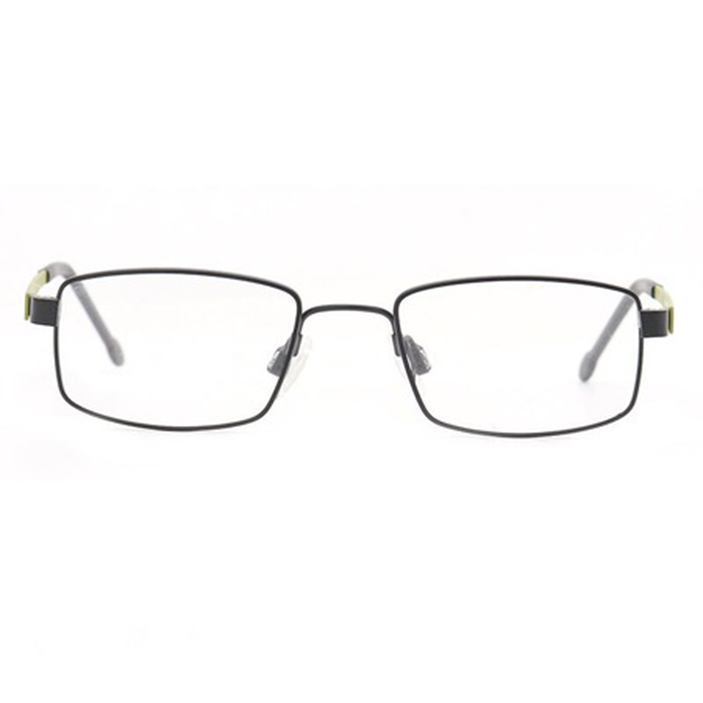
Frequently Asked Questions
Why do acetate, metal and injection frames need different production processes?
Each material behaves differently, so each needs a route suited to its properties. Acetate is cut, milled, tumbled and polished, which allows depth and rich pattern. Metal and titanium are stamped or wire-formed, welded and coated, which allows slim, strong frames. Injection and TR90 are moulded, which suits complex geometry and high volume. One route for all three would waste the strengths of each material.
What makes an optical frame lens-ready and precise?
Lens-ready precision means the frame is prepared to receive prescription lenses accurately. The lens groove, front shape, alignment and overall geometry must be correct so an optical lab can fit lenses without distortion or gaps. If these dimensions drift, fitting becomes difficult and the finished eyewear may sit or look wrong, which is why geometry is checked before packing.
How does mixed-material frame production work?
Mixed-material frames combine routes, pairing an acetate or injected front with metal temples, or joining a metal rim to a moulded part. Each component follows its production process, then is assembled so parts fit across tolerances and finishes. The challenge is coordination, since tooling and finishing must align across material families.



