
 EN
Eyewear Frame Materials Guide: Acetate, TR90, Titanium, Metal & Injection Materials
Compare acetate, TR90, titanium, metal and injection-molded eyewear frame materials, and understand how each material affects frame development, tooling and production.
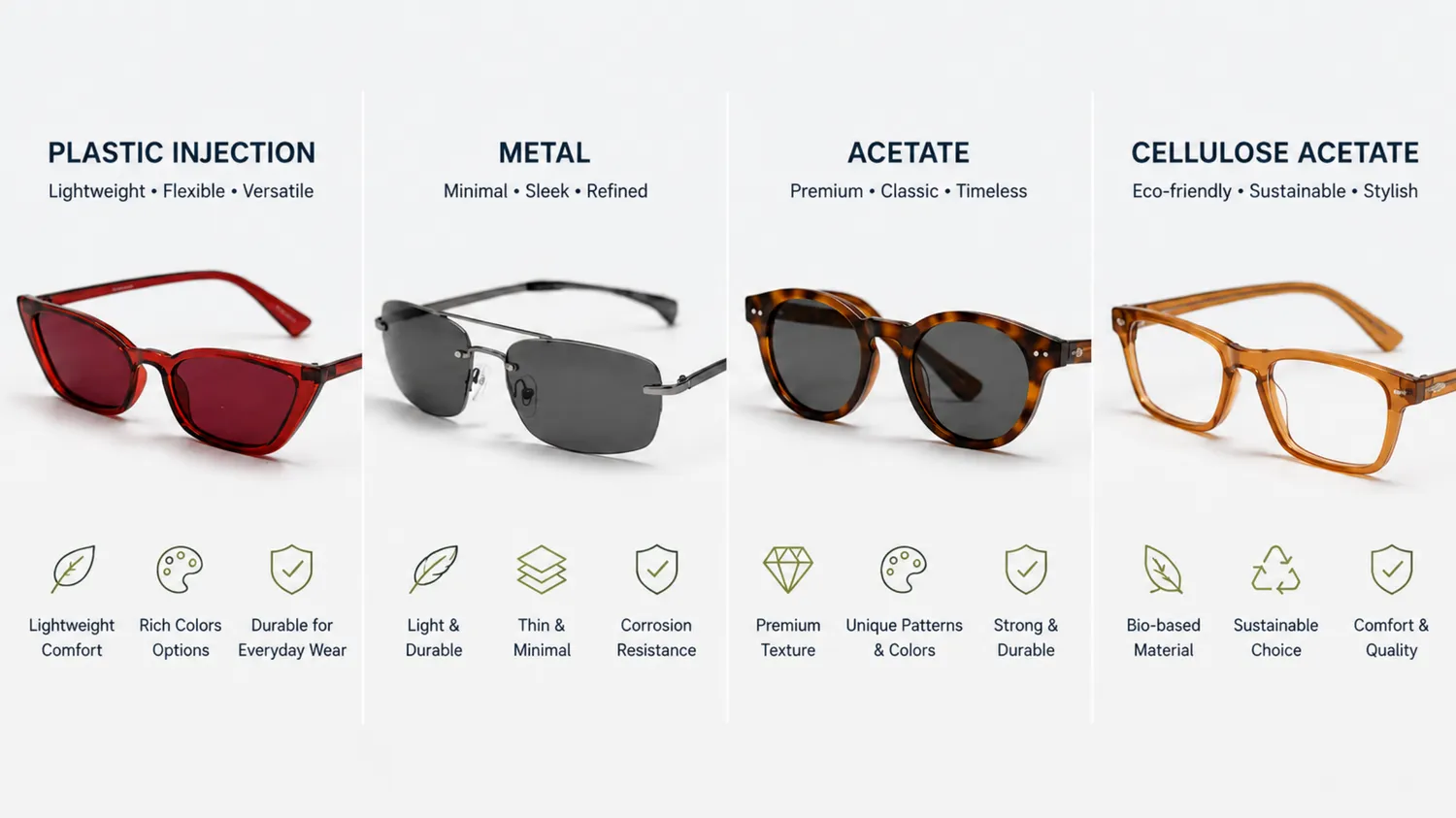
Choosing an eyewear frame material also means choosing a manufacturing route.
An acetate frame is developed from sheet material and moves through machining and polishing. Metal and titanium frames depend on component fabrication, welding and finishing. TR90, PC, CP, G850 and other molded materials follow an injection process built around molds and production specifications.
For eyewear buyers, this matters because material choice affects much more than appearance. It changes how a frame is engineered, sampled, tooled, finished and prepared for bulk production.
This guide compares the main frame material routes used in eyewear development and explains what buyers should consider before selecting one.
Eyewear Frame Materials at a Glance
The most useful way to compare eyewear materials is not to rank them as “better” or “worse,” but to understand how each one changes the development process.
|
Material |
Manufacturing Route |
What Buyers Need to Define |
|
Acetate |
Sheet preparation, CNC machining, polishing and assembly |
Sheet selection, frame geometry, temples, hinges, finish and decoration |
|
TR90 |
Injection molding |
Frame structure, mold, color, components and finishing |
|
Titanium |
Metal fabrication |
Structure, components, welding, finishing and assembly |
|
Metal |
Metal fabrication |
Components, welding, plating or lacquering, assembly and fit |
|
PC / CP / G850 |
Injection molding |
Mold, material specification, color, finishing and components |
|
Carbonite™ |
Injection-based application |
Product requirements, material availability and supporting documentation |
Hisight's current manufacturing range includes acetate, metal, titanium, PC, CP, TR90, G850 and selected sustainable materials such as Carbonite™. Its product-development process reviews material selection together with design, structure and production requirements.
Acetate Eyewear Frames
How Acetate Changes the Development Process
Acetate eyewear follows a sheet-based production route.
The material begins as acetate sheets, which are prepared and cut into sections for the frame front and temples. If a design uses layered material, sheets may also be laminated before machining.
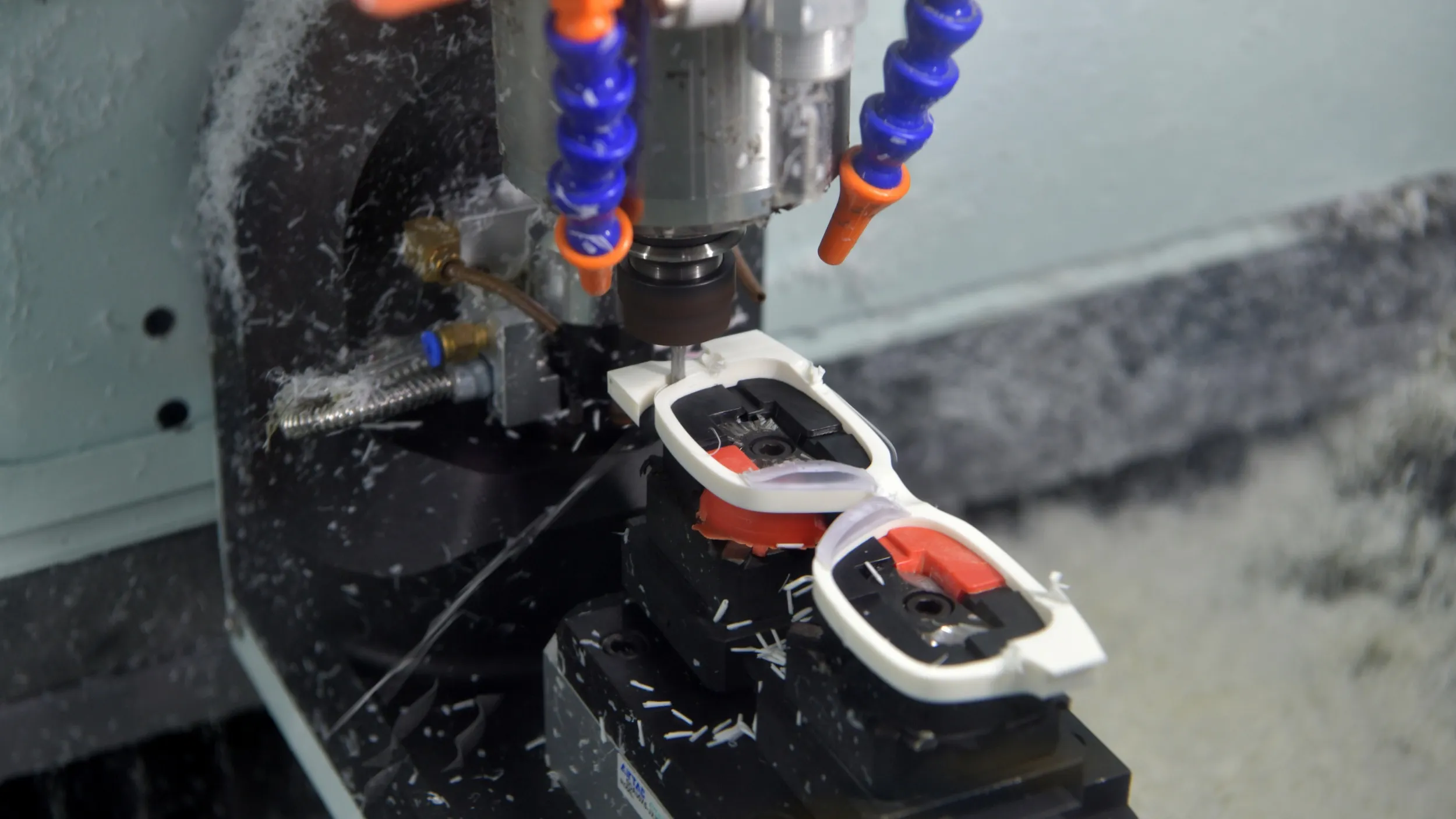
From there, the frame front can move through CNC milling and drilling. Temples are machined separately, including groove preparation and core-wire insertion where required.
The later production stages include hinge attachment, tumbling, polishing, shaping, adjustment, branding and final assembly.
This means an acetate project needs to be developed around both the material sheet and the geometry of the frame.
A buyer should therefore confirm details such as:
- frame-front shape and dimensions;
- temple construction;
- acetate color or pattern;
- hinge and core-wire structure;
- surface appearance;
- branding and decorative details.
The important point is that acetate is not shaped through an injection mold. The product is created through machining, assembly and finishing steps.

[IMAGE — Acetate sheet selection]
[IMAGE — CNC machining]

[IMAGE — Polishing]
TR90 Eyewear Frames
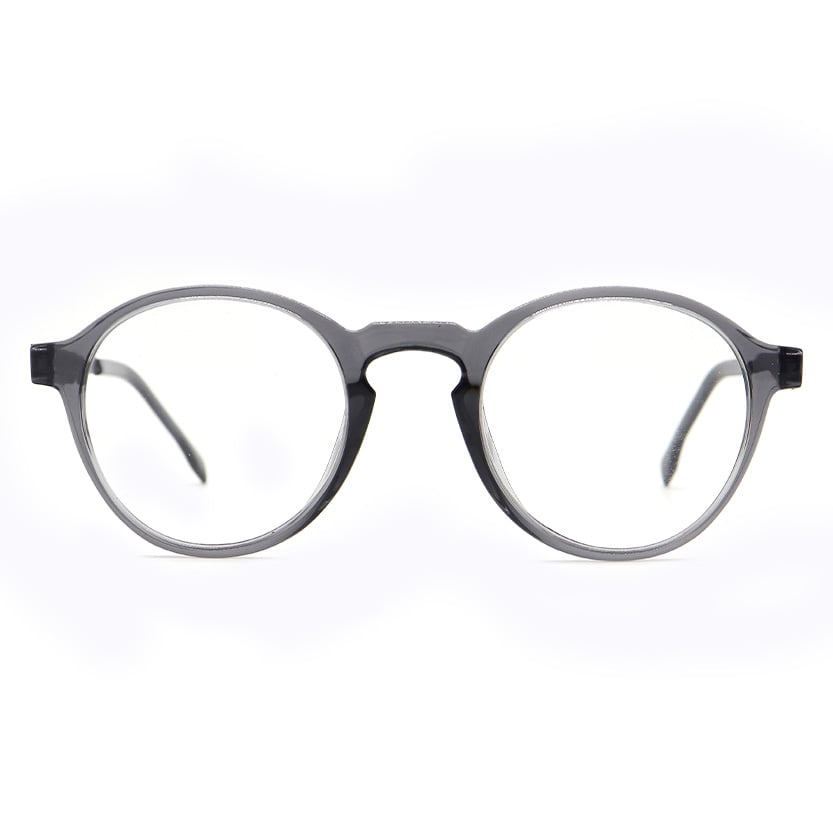
TR90 sits within an injection-molded production route.
That immediately creates a different development logic from acetate.
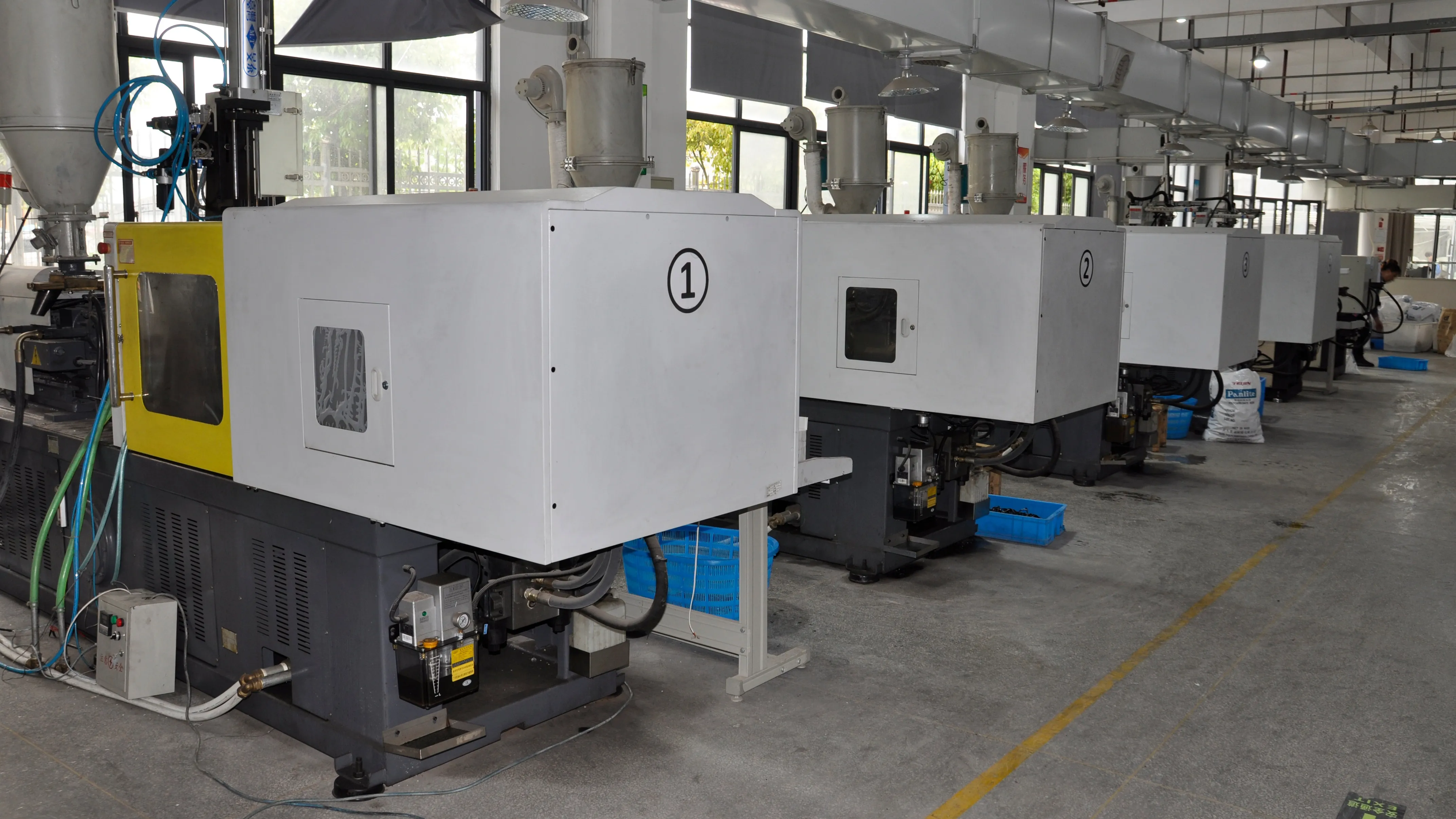
Instead of cutting a frame from sheets, an injection project depends on the relationship between the frame design, mold, material specification and downstream finishing process.
Hisight currently uses TR90 in sports and active-lifestyle eyewear programs, including cycling, fishing, outdoor and travel applications. These projects can include wraparound designs, custom colors, lens configurations, branding and retail packaging.
What Buyers Need to Confirm
For a TR90 project, development should define:
- frame geometry;
- mold requirements;
- material specification;
- color;
- hinge and component construction;
- surface treatment;
- lens fitting;
- final production specifications.
This is also why changing from acetate to TR90 is not simply a material substitution.
It changes the manufacturing route itself.
[IMAGE — TR90 eyewear]
[IMAGE — Injection molding]
Titanium Eyewear Frames
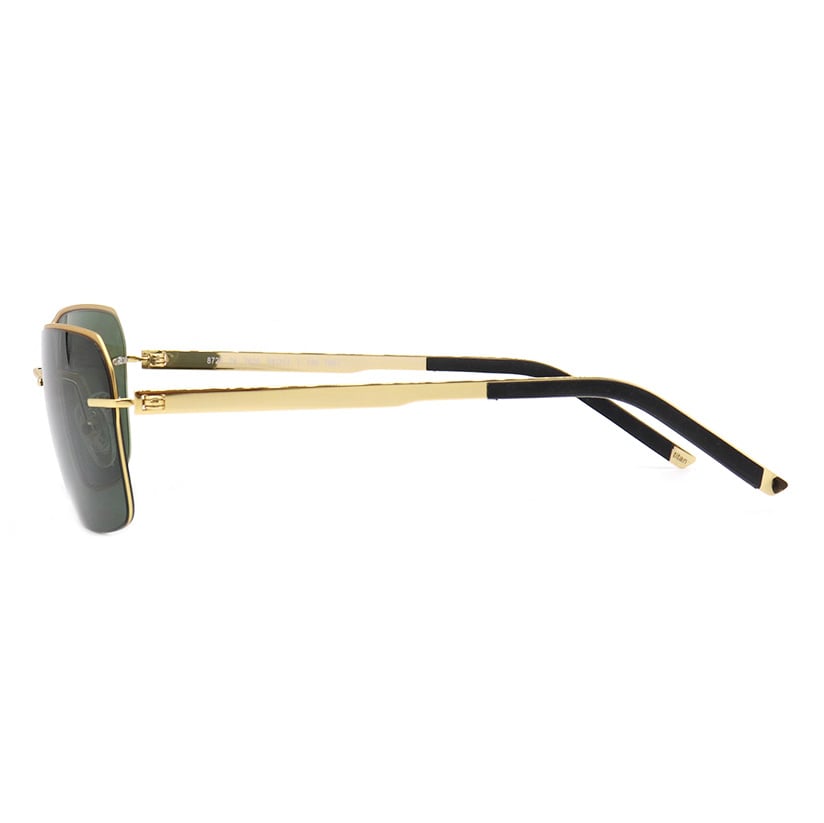
Titanium belongs to the metal-frame manufacturing route.
For buyers, the key difference is that the frame is developed through metal component processing and assembly rather than sheet machining or injection molding.
Hisight's manufacturing capability includes titanium eyewear, and titanium was one of the material areas strengthened as part of its high-end production upgrade.
What Buyers Need to Define
A titanium frame project needs clear specifications around:
- frame geometry;
- bridge and temple construction;
- hinge and component structure;
- welding points;
- surface finish;
- lens fitting;
- final frame adjustment.
The design therefore has to work not only visually, but also as a manufacturable metal structure.
That engineering review becomes especially important before sampling.
[IMAGE — Titanium frame detail]
[IMAGE — Metal welding]
Metal Eyewear Frames
“Metal eyewear” covers a wider construction category rather than one single material specification.
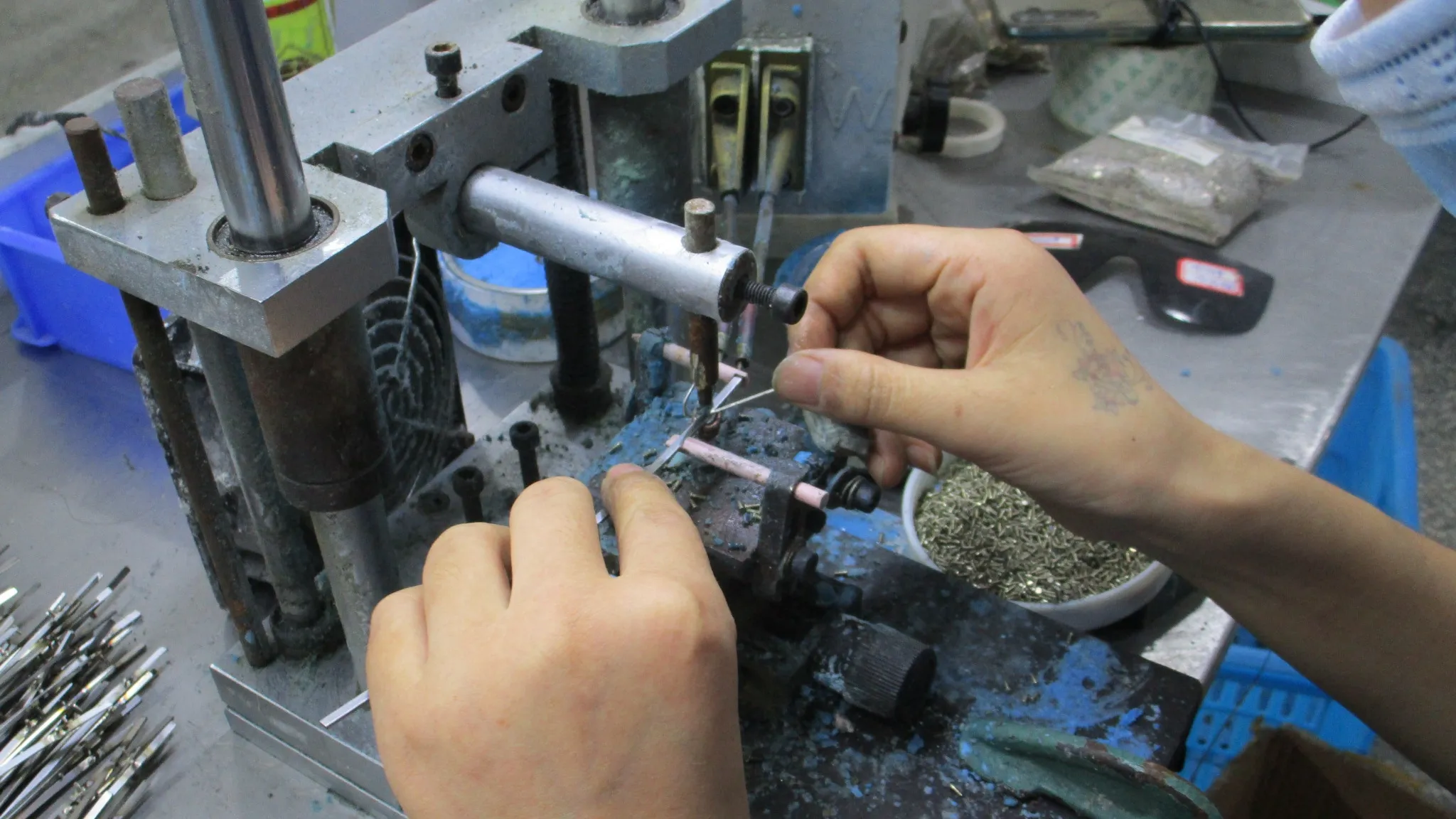
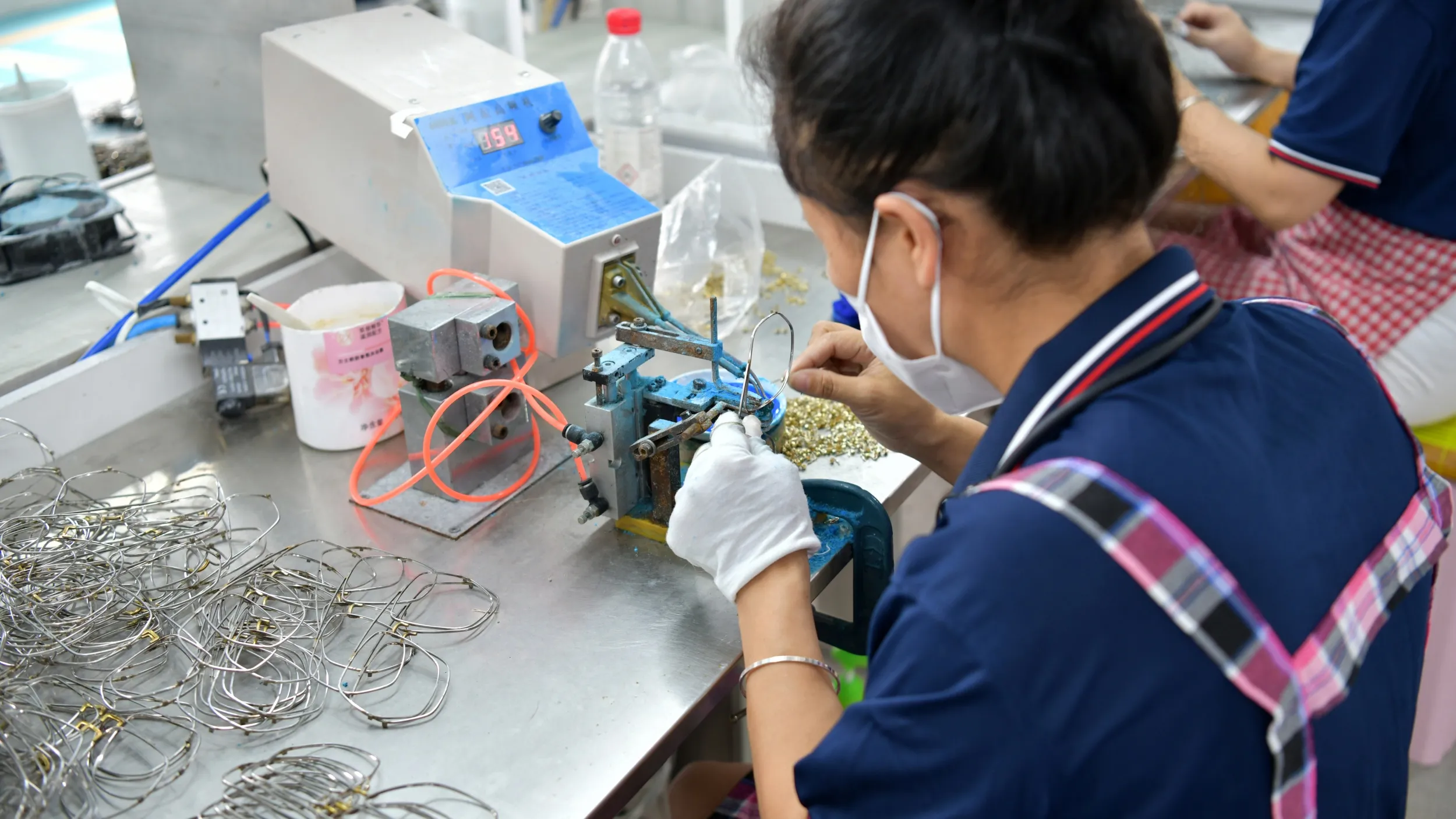
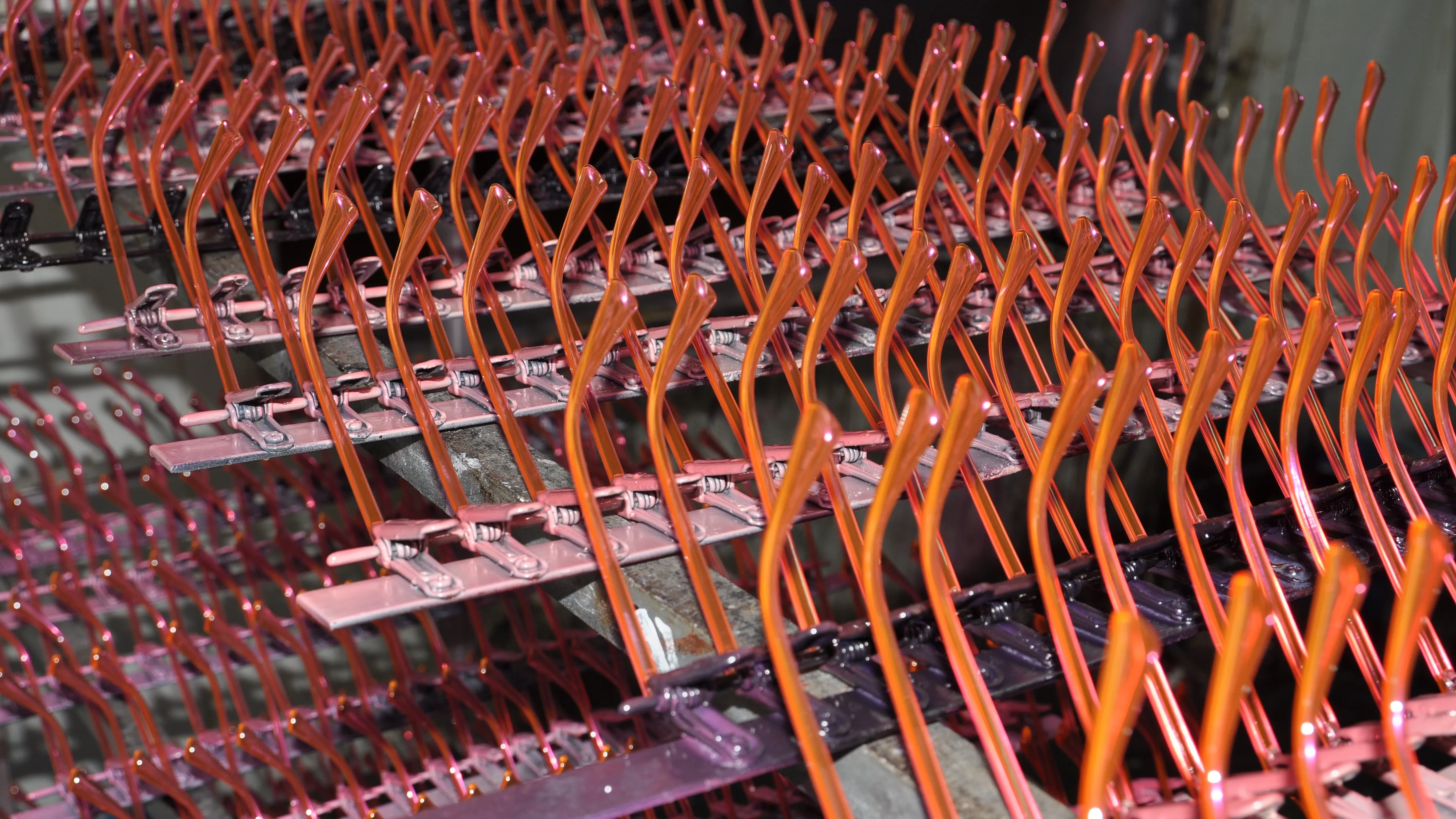
The production route can include material and component processing, welding, polishing, plating or lacquering, assembly, lens cutting and fitting adjustment.
Hisight's documented metal and titanium process includes incoming metal material, trimming, welding, polishing, plating and lacquering, assembly, lens cutting and final inspection.
For buyers, this means the phrase “metal frame” is still only a starting point.
A production-ready specification should also define:
- component construction;
- welding and joining details;
- surface finish;
- plating or lacquering requirements;
- temples and hinges;
- lens fitting;
- decorative elements;
- mixed-material parts where applicable.
These details become especially important when the same style needs to be reproduced consistently across repeat orders.
[IMAGE — Metal frame components]
[IMAGE — Welding / finishing]
Injection-Molded Eyewear Materials
Injection-molded eyewear is a manufacturing category that can use several different materials.
Hisight's current injection capability includes:
- PC;
- CP;
- TR90;
- G850;
- Carbonite™.
The documented production route includes raw-material preparation, mold storage, injection molding, hinge attachment, assembly, lens cutting, temple printing, spraying, cleaning, QC, packing and delivery.
PC, CP and G850
Current source materials confirm that PC, CP and G850 are supported within Hisight's injection production system.
The available Sources do not provide enough verified material-performance data to rank these materials against one another by flexibility, weight or durability.
For a buyer, the practical decision therefore needs to be made project by project, based on:
- frame design;
- material specification;
- mold requirements;
- color;
- finishing;
- components;
- production requirements.
Carbonite™
Carbonite™ is used for selected sustainable eyewear projects within Hisight's work with Regenesis Materials.
Hisight's sustainability framework treats sustainable material selection as part of a wider process that includes product engineering, sampling, production and supporting documentation rather than relying on broad environmental claims.
For projects using Carbonite™, material availability and specifications should therefore be confirmed during development.
[Internal link: Sustainability →]
Acetate vs TR90 vs Titanium vs Metal: What Actually Changes?
For B2B buyers, the most important difference between these materials is the production route they create.
|
Development Question |
Acetate |
TR90 / Injection |
Titanium / Metal |
|
How is the frame formed? |
Machined from sheet material |
Formed through injection molding |
Built from processed metal components |
|
Is a mold central to development? |
No injection mold |
Yes, depending on project |
Not an injection mold |
|
What becomes critical early? |
Sheet, geometry, machining and finish |
Frame structure, mold and material specification |
Components, construction, welding and finish |
|
Main production processes |
CNC, drilling, tumbling, polishing |
Injection, hinge attachment, spraying, assembly |
Trimming, welding, polishing, plating/lacquering, assembly |
|
What can delay development? |
Design or machining adjustments |
Mold, tooling or specification adjustments |
Construction or component adjustments |
This is why material selection should be made early.
A design cannot always move from one material route to another without engineering changes.
How Material Choice Affects Eyewear Development
1. Frame Structure
The material has to work with the intended frame construction.
Hisight's product engineering process evaluates frame structure and material compatibility together with hinge or core-wire construction, lens fitting, comfort and production feasibility.
That means the material should not be finalized independently from the design.
2. Components
Different manufacturing routes create different component requirements.
An acetate temple may involve core-wire insertion and hinge attachment.
A metal frame may rely on welded components and nose-pad structures.
An injection-molded frame needs to be developed around mold geometry and component assembly.
The construction needs to be confirmed before the sample becomes the production reference.
3. Color and Finish
Material selection also affects how color and finish are created.
Hisight's customization framework treats material, color, pattern and finish as connected decisions, together with lenses, branding and construction.
For example, acetate development begins with sheet choice and machining, while metal projects may require plating or lacquering, and injection projects may include spraying after molding.
4. Tooling and Sampling
Tooling requirements depend on the development route.
Hisight's current OEM/ODM framework states that ODM projects may begin from existing molds or components, while fully customized OEM projects can require new tooling.
ODM samples typically take around 2–3 weeks, while custom OEM development typically takes around 6–12 weeks, depending on design, material, tooling and adjustment requirements.
The timeline therefore cannot be separated from the material and construction choice.
5. Sample-to-Bulk Production
Once the sample is approved, confirmed specifications become the production reference.
Hisight's production quality process includes incoming inspection, in-process inspection and final inspection, with finished eyewear verified before packing and shipment.
For buyers, the key question is therefore not only:
Can this material produce the sample we want?
It is also:
Can the agreed specification be repeated in bulk production?
Which Material Should You Choose?
There is no useful answer without first defining the product.
A buyer should start with five questions.
What are you making?
An optical frame, sunglass, sports style or another product type.
What construction does the design require?
Sheet-machined, metal-built or injection-molded.
What visual details are important?
Material pattern, color, plating, finish or surface treatment.
Will the project require new tooling?
This can affect both development route and timeline.
What has to remain consistent in bulk?
Dimensions, components, finish, colors and other approved specifications.
Material choice becomes much clearer once these questions are answered.
Frequently Asked Questions About Eyewear Frame Materials
Is acetate the same as injection-molded plastic?
No.
Acetate frames are developed from sheet material through cutting, CNC machining, drilling, polishing and assembly. Injection materials are formed through a mold and follow a different production route.
Is TR90 injection molded?
Yes. TR90 is included in Hisight's injection production system alongside PC, CP, G850 and Carbonite™.
Are titanium and metal frames manufactured like acetate?
No.
Titanium and other metal frames follow a metal fabrication route involving processes such as component processing, welding, polishing, finishing and assembly.
What materials can Hisight work with?
Hisight currently works with acetate, metal, titanium, PC, CP, TR90, G850 and selected sustainable materials such as Carbonite™.
Does material affect tooling?
Yes.
Custom OEM projects may require new tooling or molds depending on the material, construction and project complexity.
When should the material be confirmed?
Material should be reviewed before sampling together with the frame design, structure and production feasibility.
Developing Eyewear Across Different Material Routes
Hisight supports eyewear development across acetate, metal, titanium and injection-molded materials including PC, CP, TR90, G850 and selected sustainable materials.
Its manufacturing capabilities cover material processing, CNC machining, injection molding, welding, polishing, spraying, plating, assembly and final preparation.
Projects can begin from an existing design, reference sample or new product brief, with material, structure and production requirements reviewed before sampling and bulk production.
Planning an Eyewear Project?
Share your design, reference sample or collection brief with our team.



